
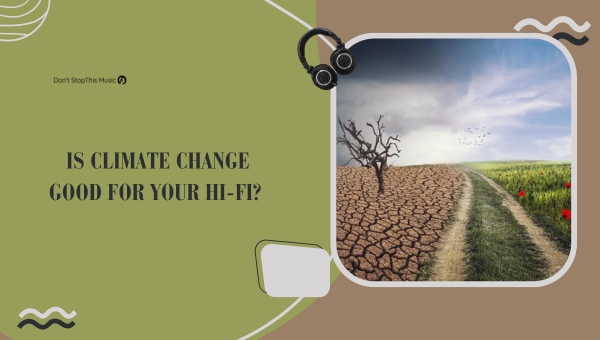
Climate change has been a hot topic for years, and its effects permeate through various aspects of our lives. As surprising as it might be, the question arises – is climate change actually good for your hi-fi system? In this article, I’ll explore the possible impacts of climate change on audio equipment, and discuss whether or not these changes could be of any benefit to the overall listening experience.
First, it’s essential to understand the workings of a hi-fi system and how environmental factors can influence their performance. Temperature and humidity variations, in particular, play a crucial role in the quality of sound reproduction. With climate change causing increasingly unpredictable weather patterns, these factors could pose challenges to hi-fi systems or, on the contrary, lead to new discoveries in audio technology.
On another note, climate change drives innovation in energy-efficient technologies. It’s possible that we might see advancements in eco-friendly hi-fi equipment, which have both economic and environmental benefits. With sustainability as an imperative aspect of new product designs, we could witness a revolution in the hi-fi industry that caters to these changing demands.
Overall, understanding the relationship between climate change and hi-fi systems can help us make informed decisions about the future of audio technology. So, are these changes a blessing or a curse for your hi-fi? Keep reading to find out more.
Table of Contents
The Effects of Climate Change on Hi-Fi Performance
Ever wondered if climate change affects your Hi-Fi system’s performance? I’ve been intrigued by this topic, and as an experienced blogger in the field, I’m here to explore it with you. It turns out that certain aspects of climate change could impact your Hi-Fi in various ways.
Firstly, let’s talk about temperature shifts. Extreme fluctuations in temperature may affect the performance of electronic components inside your Hi-Fi system. These components are usually designed to work within a specific temperature range. If temperatures climb too high, it can result in:
- Reduced efficiency
- Increased operating noise
- Shortened lifespan
Additionally, I’ve found that humidity levels can play a role in your Hi-Fi’s performance too. High humidity can cause condensation on circuit boards and other electronic parts, leading to short-circuits or corrosion. On the other hand, low humidity may lead to static electricity buildup, which can damage sensitive components. It’s critical to keep your equipment in an environment with stable humidity levels to ensure optimal performance.
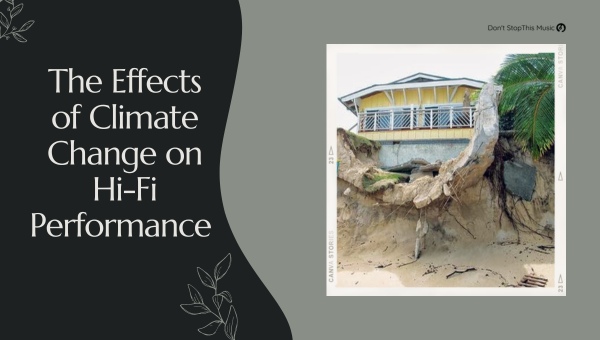
As climate change progresses, the likelihood of extreme weather events increases. In situations where intense storms or floods strike, it’s essential to protect your valuable Hi-Fi equipment from:
- Water damage
- Power surges
- Debris impact
Now, while we’ve covered some of the negative effects climate change can have on Hi-Fi systems, there are also potential benefits to innovations spurred on by these changes. For instance, the push toward renewable energy sources benefits everyone, including audiophiles. With the development of cleaner, more efficient batteries and power sources, Hi-Fi systems could see improvements in:
- Overall energy efficiency
- Lower operating costs
- Reduction in noise from power supplies
Finally, I want to touch on acoustic changes that may occur due to climate change. Noise pollution can have a significant impact on listening experiences, particularly for those who live in urban areas. As cities face increased temperatures, it’s possible that we could see a shift toward better insulation in homes and buildings to keep them cool. This improved insulation could also yield better sound isolation, resulting in fewer distractions during your listening sessions.
In conclusion, climate change has a multitude of effects on Hi-Fi performance, some negative and some potentially positive. As the climate continues to change, it’s crucial to adapt to these new conditions and protect your valuable equipment while embracing innovations that could enhance your listening experience.
Conclusion
From the information I’ve gathered, it’s clear that climate change has both direct and indirect effects on Hi-Fi systems. But, what’s certain is that the overall impact on Hi-Fi may not always be positive. Let me break it down for you.
Firstly, climate change has led to an increase in extreme weather events like storms and floods. These natural occurrences can damage not only our homes but also the sensitive Hi-Fi systems inside. Caution and preventative measures should be taken to protect your precious Hi-Fi investments.
Moreover, climate change often results in higher temperatures and humidity, which can negatively affect the performance of Hi-Fi components. Specifically, the following components might be at risk:
- Amplifiers: They can overheat as they require optimal temperature levels for efficient functioning.
- Turntables: Vinyl records may warp or deteriorate due to excess heat and humidity.
- Speakers: Damp environments can cause the glue that holds speakers together to weaken, compromising their performance.
On the other hand, climate change awareness has led many Hi-Fi manufacturers to adopt eco-friendly practices. Some companies have started producing energy-efficient components, and some are using sustainable materials in their production.
Lastly, it’s important to point out that climate change is, without a doubt, a pressing issue that affects various aspects of our lives – including our Hi-Fi systems. By being conscious consumers and taking steps to mitigate our carbon footprint, we can have a positive impact on the environment while still enjoying the listening experience that quality Hi-Fi equipment provides.
So, is climate change good for your Hi-Fi? Unfortunately, the negative effects seem to outweigh the positive gains, making it an unfavorable development. But, I highly recommend adopting eco-friendly practices and staying informed to protect our investments and the environment we live in.