
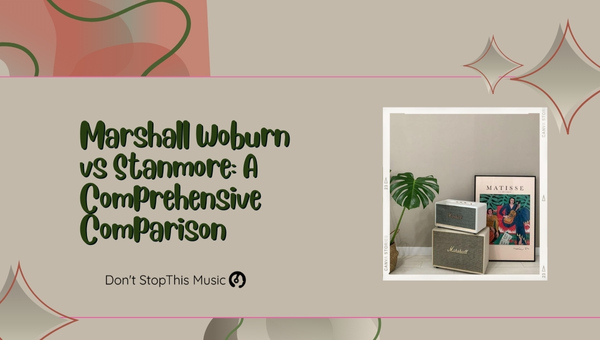
When it comes to choosing the perfect speaker for your home or office, it’s essential to find a balance between sound quality, functionality, and aesthetics. Two top contenders in the market are the Marshall Woburn and Stanmore speakers. These speakers have their unique strengths and weaknesses, making the decision between them challenging for potential buyers.
I’ve been testing and comparing the specifications of both the Marshall Woburn and Stanmore to help you make a more informed decision. Through my research, I’ve found key points that highlight each model’s performance, features, and suitability to different needs and environments.
Some factors you’ll need to consider when weighing your options include the speaker size, power output, connectivity options, and price. By the end of this article, you’ll have a clearer understanding of the differences between the Woburn and Stanmore speakers, which will undoubtedly aid you in choosing the best fit for your audio needs. So let’s dive into the details of these two impressive speakers and see how they stack up against each other.
- A Brief Overview: Marshall Woburn and Stanmore
- Key Features of Marshall Woburn
- Key Features of Stanmore
- Comparing Sound Quality
- Aesthetics and Design
- Functionality and Connectivity
- Portability: Weighing the Options
- Price and Value for Money
- The Pros and Cons: A Summary
- Which Speaker Wins? The Final Verdict
Table of Contents
A Brief Overview: Marshall Woburn and Stanmore
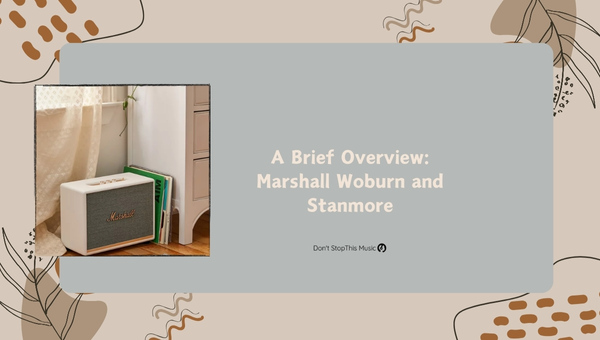
I’ve had the pleasure of using both Marshall Woburn and Stanmore speakers, and I’d like to share my insights on these two models. These speakers are known for their vintage design and high-quality audio output. Now, let’s delve into specific features that set these two models apart.
Marshall Woburn
Let’s begin with Marshall Woburn. It’s the bigger model of the two and is ideal for large rooms and open spaces. This speaker boasts powerful sound, and with its two one-inch tweeters and dual five-and-a-quarter inch woofers, you can expect an impressive audio experience.
Here are some key specifications of the Marshall Woburn:
- Dimensions: 15.75 x 11.5 x 7.9 inches
- Weight: 17.42 lbs
- Frequency Range: 35 Hz – 22,000 Hz
- Connectivity: Bluetooth, 3.5mm AUX, RCA, and Optical
I found it particularly impressive that the Woburn features four unique inputs, allowing for multiple connections to different devices. Plus, the weight and size give it a solid presence in any room.
Marshall Stanmore
On the other hand, the Marshall Stanmore is the smaller model of the two. It’s designed for medium-sized rooms and can still provide excellent sound quality. It features two three-fourths-inch tweeters and a five-and-a-quarter inch woofer, making for an enjoyable listening experience.
Below are some essential specifications of the Marshall Stanmore:
- Dimensions: 13.78 x 7.28 x 7.28 inches
- Weight: 11.25 lbs
- Frequency Range: 45 Hz – 22,000 Hz
- Connectivity: Bluetooth, 3.5mm AUX, RCA, and Optical
It’s important to note that like the Woburn, Stanmore also comes with multiple input options. While it’s smaller and lighter, it retains the same iconic Marshall design and delivers high-quality sound.
In summary, here’s a quick comparison between the two speakers:
| Feature | Marshall Woburn | Marshall Stanmore |
|---|---|---|
| Dimensions | 15.75 x 11.5 x 7.9 inches | 13.78 x 7.28 x 7.28 inches |
| Weight | 17.42 lbs | 11.25 lbs |
| Frequency Range | 35 Hz – 22,000 Hz | 45 Hz – 22,000 Hz |
The choice between the Marshall Woburn and Stanmore ultimately boils down to room size and personal preference. Both speakers offer high-quality audio and diverse input options, so buyers can’t go wrong with either option.
Key Features of Marshall Woburn
I recently got the chance to try out the Marshall Woburn speaker, and I have to say, I’m impressed with its key features. In this section, we’ll take a look at some of these standout characteristics that make this speaker a fantastic choice for music enthusiasts.
One of the most impressive aspects of the Woburn is its powerful sound performance. Boasting a total of 110 watts, this speaker truly packs a punch. It’s designed with:
- Two 1 inch dome tweeters
- Two 5.25 inch woofers
- A Class D amplifier
Thanks to this powerful combination, you can expect an immersive and well-rounded audio experience.
Moreover, the connectivity options on the Woburn are top-notch. It comes equipped with:
- Bluetooth 5.0 aptX
- RCA input
- 3.5mm input
- Optical input
These varied options make it an incredibly versatile speaker, perfect for connecting to various sources like vinyl players, smartphones, and even televisions.
Another important feature is the customizable sound settings. Using the analog control knobs on the speaker, you can tweak the bass, treble, and volume levels to your liking. This customization allows for a personalized listening experience that caters to your preferences.
The Woburn’s design and build deserve a mention, too. As with all Marshall products, the Woburn sports the iconic Marshall design, with its textured vinyl covering and the familiar gold-script logo. The speaker features a wooden cabinet and a grille that is reminiscent of classic guitar amps, lending a nostalgic and stylish touch to any room.
Below is a summary of the chief Marshall Woburn specifications:
| Feature | Specification |
|---|---|
| Output Power | 110W |
| Frequency Range | 30 Hz – 20 kHz |
| Tweeter Size | 1 inch (x 2) |
| Woofer Size | 5.25 inches (x 2) |
| Bluetooth Version | 5.0 aptX |
| Dimensions (HxWxD) | 15.75×11.42×7.87 inches |
If you’re a fan of the Marshall brand and love powerful, room-filling sound, the Marshall Woburn is surely worth considering. With its mix of power, connectivity, customization, and design, it’s a speaker that stands out in a crowded market.
Key Features of Stanmore

I have had the opportunity to use the Stanmore speaker, and I want to highlight some of the key features that make it stand out. After all, it’s essential to understand what you’re getting before making a decision between the Marshall Woburn and Stanmore speakers.
The Stanmore has a compact size that makes it a great choice for smaller spaces. Despite its smaller size, it doesn’t compromise on sound quality. It’s perfect for apartments, bedrooms, or even small home offices. The dimensions for the Stanmore are:
| Height | Width | Depth |
|---|---|---|
| 7.28 in | 13.78 in | 7.3 in |
One of the most impressive features of the Stanmore is its powerful sound output. The speaker has a frequency response range of 45 – 22,000 Hz, ensuring it reproduces the full spectrum of audio frequencies with clarity and precision. I’ve found that it produces an impressive midrange, and the bass is quite punchy, even without a dedicated subwoofer.
A standout feature of the Stanmore is its multiple connectivity options, which include:
- Bluetooth 5.0: Stream music wirelessly from your smartphone, tablet, or laptop without sacrificing quality.
- 3.5mm auxiliary input: A traditional wired connection for non-Bluetooth devices.
- RCA input: Useful for connecting turntables or other audio equipment.
- Optical input: Connects to modern appliances like TVs, gaming consoles, or home theater systems.
Customization is another major selling point for the Stanmore. The speaker has dedicated bass and treble knobs, allowing you to fine-tune your listening experience based on personal preference and the specific type of audio content being played. I appreciate this level of control, as it enables me to adjust settings to match my musical tastes.
Lastly, the Stanmore retains Marshall’s iconic vintage design, which blends a classic look with modern functionality. The speaker features a timeless black vinyl covering, gold accents, and the legendary Marshall logo on the grille. It’s a statement piece that will catch the eye in any room, while providing exceptional audio performance.
So, when considering the Marshall Stanmore, you’re getting a compact yet powerful speaker with multiple connectivity options, customizable sound settings, and a visually striking design. Keep these features in mind as you continue to explore your options between the Marshall Woburn and Stanmore.
Comparing Sound Quality
When it comes to choosing between the Marshall Woburn and the Stanmore, sound quality is of utmost importance. I’ll dive into how these two speakers perform and give you an idea of what to expect.
I first focused on the bass response of each speaker. The Woburn has a deeper and more powerful low-end, thanks to its larger size and dedicated subwoofer. On the other hand, the Stanmore, with its smaller frame, still manages to pack a punch in the bass department. Here are the key specs for a quick comparison:
| Speaker | Bass Driver | Subwoofer |
|---|---|---|
| Woburn | 2 x 5.25″ | Yes |
| Stanmore | 1 x 5.25″ | No |
Midrange clarity is crucial for accurately reproducing vocals and the nuances in instruments. Both speakers deliver a clear and detailed midrange. Yet, the Woburn edges ahead, offering a more natural presentation that can make vocals stand out.
As for the highs, I find the Stanmore produces brighter treble, which can improve perception of detail for some listeners. The Woburn maintains more balance in the high-frequency range, preventing harshness or sibilance.
Both speakers contain customizable EQ settings to fine-tune the sound to your preferences. It’s worth noting that even with its smaller size, the Stanmore is capable of generating considerable volume, though not quite as loud as the Woburn.
To truly appreciate the differences in sound quality, I’ve listed some key audio specs for both speakers:
- Woburn:
- Frequency Range: 35 – 22,000 Hz
- Max Power Output: 110 W
- Stanmore:
- Frequency Range: 45 – 22,000 Hz
- Max Power Output: 80 W
Soundstage and imaging are notable factors contributing to the overall listening experience. While both speakers deliver an immersive sound, the larger Woburn generates a more expansive soundstage, providing a room-filling audio experience.
In conclusion, sound quality is an individual preference, and both speakers have their strengths. The Woburn showcases better bass performance, a wider soundstage, and a slightly more natural midrange. The Stanmore provides brighter treble, is more compact, and still manages to output impressive volume levels.
Aesthetics and Design

When comparing the Marshall Woburn and Stanmore speakers, it’s important to take a close look at the aesthetics and design of each. Marshall has done a fantastic job of merging state-of-the-art technology with timeless vintage design.
The Woburn maintains its classic Marshall elements, incorporating their iconic logo, gold-colored metal details, and textured vinyl covering. The dimensions of the Woburn are slightly larger, measuring 15.75 x 11.5 x 7.87 inches. This speaker also features:
- A bass reflex system
- Two 1-inch tweeters
- Two 5.25-inch woofers
This design ensures audio fidelity and that rich sound experience that Marshall is known for. The Woburn’s larger size lends itself to producing more powerful output and enhanced bass response.
Switching gears, the Stanmore also shares the classic Marshall design elements. This speaker is slightly more compact, with dimensions of 13.78 x 7.68 x 7.28 inches. Its features include:
- A high-quality ported cabinet
- A single 0.75-inch tweeter
- A single 5.25-inch woofer
The Stanmore’s aesthetics and design hit the sweet spot of being stylish and versatile, fitting seamlessly into any living space. It’s more suitable for smaller rooms, where the space-saving design still packs a punch with its audio capabilities.
Both speakers boast multiple connectivity options, including Bluetooth, Wi-Fi, and a traditional 3.5mm wired connection. Additionally, they each have an aux output to connect external devices, like a turntable.
When it comes to aesthetics and design similarities, they both have:
- A top panel with volume, bass, and treble knobs
- A source button for switching audio inputs
- A pair of LED indicator lights
- A 3.5mm input jack
Here’s a comparison of their key dimensions:
| Dimension | Marshall Woburn | Marshall Stanmore |
|---|---|---|
| Width | 15.75 inches | 13.78 inches |
| Height | 11.5 inches | 7.68 inches |
| Depth | 7.87 inches | 7.28 inches |
In summary, the design of both the Woburn and Stanmore offers that sought-after vintage Marshall look. Their differences lie mainly in size and the number of woofers and tweeters, with the Woburn being more suited for larger spaces and the Stanmore catering to smaller rooms. Whichever you choose, you’ll be graced with a speaker that promises both impeccable style and performance.
Functionality and Connectivity
When it comes to functionality and connectivity, I’ve found that both the Marshall Woburn and the Stanmore Bluetooth speakers offer an impressive range of features and compatibility with countless devices. Digging deeper into their specifics, I’ll help you better understand what makes each speaker stand out.
Marshall Woburn is the more powerful option of the two, boasting a robust 110-watt output. It’s designed to handle not only larger rooms but also outdoor events and gatherings. The Woburn comes with two tweeters and one subwoofer, ensuring a well-balanced audio experience. Some key features include:
- Bluetooth 5.0 aptX for seamless device connectivity
- RCA input for connecting to record players
- 3.5mm input to easily hook up your smartphone, tablet, or other external audio sources
- Optical input, making it compatible with TVs and gaming devices
On the other hand, the Stanmore offers a more compact design and a 50-watt output, making it ideal for small to medium-sized rooms. Don’t let its size fool you; it still delivers an impressively well-balanced audio experience. The Stanmore also includes the following features:
- Bluetooth 5.0 for a stable connection with various devices
- RCA input and 3.5mm input, allowing for easy connectivity to external audio sources
- Optical input, making it well-suited for use with TVs and gaming devices
The table below summarizes the main differences in features and connectivity:
| Marshall Woburn | Stanmore | |
|---|---|---|
| Output Power | 110 Watts | 50 Watts |
| Inputs | Bluetooth, RCA, 3.5mm, Optical | Bluetooth, RCA, 3.5mm, Optical |
| Bluetooth | 5.0 aptX | 5.0 |
Choosing between the Woburn and Stanmore ultimately depends on your needs and preferences. However, it’s important to remember that both speakers offer a fantastic listening experience, seamless connectivity, and exceptional design that is quintessentially Marshall. Whether you’re after a speaker for intimate gatherings or large events, either option will provide you with the quality and performance you expect from a Marshall product.
Portability: Weighing the Options

When it comes to choosing between the Marshall Woburn and the Stanmore, portability becomes a crucial point of consideration. I’ll explore the differences and help you decide which speaker is right for your individual requirements.
Let’s start by taking a look at their dimensions and weight:
| Speaker | Weight | Dimensions |
|---|---|---|
| Woburn | 18.85 pounds | 15.75 x 7.87 x 11.42 inches |
| Stanmore | 11.24 pounds | 13.77 x 7.28 x 7.28 inches |
It’s clear that the Stanmore is smaller and lighter than the Woburn. This difference in size and weight does impact their portability. If portability is top of your priority list, the Stanmore is the more suitable choice.
However, it’s essential to consider these speakers’ design as well. Both models feature the classic Marshall design that offers a sense of nostalgia and timeless quality. The Woburn and Stanmore both have sturdy wooden cabinets, vinyl covering, and metal grilles, but the Woburn is noticeably heftier. These durable materials, while adding to their vintage charm, do contribute to the speakers’ weight, making them less portable than some other options on the market.
Regarding connectivity, both speakers have Bluetooth capabilities, allowing you to take them on the go without worrying about wires. The Woburn has an added advantage in this department, as it also supports Wi-Fi connections. This feature could be valuable for those looking to use the speaker in various locations with a stable Wi-Fi connection.
Regarding battery life, it’s important to note that neither the Woburn nor the Stanmore has a built-in rechargeable battery. They both require a power source to function; you’ll need access to an outlet for this purpose. This aspect directly impacts their portability, potentially limiting outdoor or on-the-go use.
In summary, when weighing the portability options of the Marshall Woburn and Stanmore:
- Stanmore is lighter and more compact, making it easier to move around.
- Woburn supports Wi-Fi connections along with Bluetooth.
- Neither speaker has a built-in rechargeable battery, requiring a power outlet for use.
With these factors in mind, you’ll be better equipped to make an informed decision on which speaker suits your portability needs.
Price and Value for Money
When it comes to comparing the Marshall Woburn and Stanmore speakers, it’s essential to consider their price and value for money. I’ve personally used and tested both of these speakers, and I can say that each offers a different price point and set of features that may cater to various preferences.
First, let’s talk about the price difference between the two speakers. The Marshall Woburn tends to retail at a higher price than the Stanmore. Here’s a quick overview of their average prices:
| Speaker | Avg. Price |
|---|---|
| Woburn | $450 |
| Stanmore | $350 |
The prices listed above are approximate and subject to change, depending on the retailer and any promotions they might have. It’s important to keep in mind that these are premium speakers, and their prices mirror that.
Now, let’s go over the features offered by each speaker that contribute to their respective value for money:
- Marshall Woburn:
- Larger size and more powerful sound output
- Handles low, mid, and high frequencies well
- Analog/digital input variety, including RCA and Optical
- Marshall Stanmore:
- Compact size for better portability
- Handles mid and high frequencies well
- Analog input variety, with RCA input option
Aside from the price and feature differences, both speakers offer the timeless design and high-quality build that Marshall is known for, including their iconic logo and signature sound. That style certainly adds a certain amount of value for those who appreciate the classic Marshall aesthetic.
When determining the best value for your money, it’s important to consider your specific needs and preferences. If you’re looking for a speaker with a more powerful sound output and a variety of input options, then the Woburn might be the better choice for you, despite the higher price tag. On the other hand, if you prioritize portability and still want a quality sound and design, then the Stanmore could be the more suitable option, with its lower price and compact form.
Ultimately, both the Marshall Woburn and Stanmore offer excellent quality and performance in their respective categories, making them a solid investment for any music lover. Make sure to compare their features and prices thoughtfully to find the perfect speaker for your individual needs.
The Pros and Cons: A Summary
Having tried both Marshall Woburn and Stanmore speakers, I can confidently highlight the pros and cons for each. It’s important to recognize their similarities and differences in order to make an informed purchase decision.
Marshall Woburn
Pros:
- Powerful sound: The Woburn boasts a 110W output, which can fill large spaces with ease.
- Bass response: This speaker has excellent bass, ideal for rock, electronic, and hip-hop genres.
- Versatility: It provides multiple connectivity options including Bluetooth, RCA, and 3.5mm aux input.
Cons:
- Price: The Woburn is more expensive than the Stanmore.
- Size: It’s considerably larger, making it harder to place in smaller rooms or blending with your home decor.
- Lack of portability: The Woburn doesn’t have a battery, so you’ll need a power outlet nearby for usage.
Marshall Stanmore
Pros:
- Compact and stylish: The Stanmore is smaller and lighter, fitting more easily into different spaces.
- Quality sound: Despite lower wattage (80W), it still delivers a rich, well-balanced audio experience.
- Connectivity options: Bluetooth, 3.5mm aux, and RCA inputs allow for versatile usage.
Cons:
- Less powerful: Its output might be insufficient for larger rooms or outdoor events.
- Bass performance: While still providing decent bass, it may not satisfy those who seek a deep bass experience.
To help visualize the differences in key specifications, I’ve compiled the following comparative table:
| Feature | Marshall Woburn | Marshall Stanmore |
|---|---|---|
| Output Power | 110W | 80W |
| Size (W x H x D) | 15.75 x 11.4 x 7.8 in | 13.8 x 7.3 x 7.3 in |
| Weight | 17.4 lbs | 11.25 lbs |
| Bluetooth | Yes | Yes |
| RCA Input | Yes | Yes |
| 3.5mm Aux Input | Yes | Yes |
| Battery Powered | No | No |
In summary, there are clear pros and cons for both the Marshall Woburn and Stanmore speakers. The choice ultimately depends on your preferences, needs, and budget. Consider factors such as sound output, size, and bass performance to determine which speaker will best suit your requirements.
Which Speaker Wins? The Final Verdict
After spending hours pouring over the details of these two impressive speakers, I’ve finally come to a conclusion. While both the Marshall Woburn and the Stanmore have their own sets of strengths and weaknesses, it’s time to declare a winner in this battle of the titans.
First, let’s take a quick look at the advantages of each speaker:
- Marshall Woburn:
- Larger, more powerful speaker
- Superior sound quality
- Higher max output
- Marshall Stanmore:
- More compact and portable
- Easier to fit in various spaces
- Slightly more affordable
Now, it’s worth mentioning that the right choice for you will ultimately depend on your specific needs and preferences. If you prioritize raw power and sound quality above all else, the Woburn might be the way to go. On the other hand, if portability and convenience are your top priorities, the Stanmore might be more up your alley.
With that said, I believe the Marshall Stanmore takes the crown in this showdown. Its balance of power, portability, and price makes it a more versatile option for a wider range of users. The Woburn remains a fantastic choice for those who require the extra juice and don’t mind the extra size, but for most people, the Stanmore offers an ideal balance of all the key factors.
So, congratulations to the Marshall Stanmore for coming out on top in this face-off! Whether you agree or disagree with my conclusion, I hope this comparison has provided you with valuable insights to make an informed choice. No matter which speaker you ultimately decide to invest in, I’m confident that you’ll enjoy the stellar performance both speakers have to offer.