
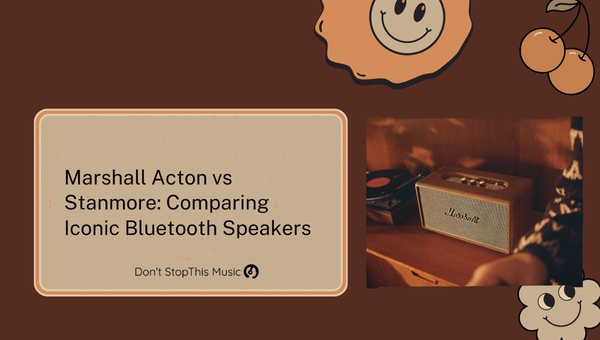
When it comes to choosing the perfect speaker for your home, it can be quite a challenge to decide between Marshall Acton and Stanmore. Both of these speakers possess their own unique set of qualities that appeal to music lovers. In this article, I’ll dive into the key differences and similarities between these two fantastic audio devices, helping you make an informed decision on which speaker suits your needs best.
First and foremost, let’s talk about the sound quality that Marshall Acton and Stanmore deliver. Although both speakers come from the renowned Marshall brand, they do offer varying audio experiences due to their different sizes and power capabilities. Assessing the specific features and performance of each speaker is crucial when making a final decision.
Moreover, factors such as price, design, and connectivity options also play a significant role when comparing the Marshall Acton and Stanmore speakers. Evaluating how each of these factors align with your personal preferences and budget will contribute substantially to finding the perfect audio companion for your home.
Table of Contents
Comparing Sound Quality
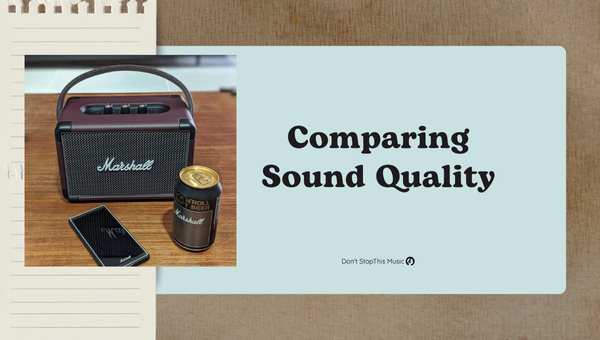
When it comes to the Marshall Acton vs Stanmore speaker comparison, evaluating their sound quality is essential. I’ve tested both speakers to provide an accurate assessment of their audio performance.
For a smaller speaker, the Marshall Acton packs quite a punch. It delivers clear and crisp audio across various music genres, and its compact size doesn’t compromise its ability to produce a well-balanced sound. The Acton’s sound is focused on the high and mid-range frequencies, giving it a precise and detailed audio quality.
The Marshall Stanmore is the bigger sibling to the Acton, boasting a larger size and more powerful audio output. The Stanmore excels in the low-end frequencies, providing a deep, rich bass that complements its clear and detailed mids and highs. This speaker is designed to fill larger spaces with booming sound without distorting, even at higher volume levels.
Here’s a quick breakdown of their features:
| Feature | Marshall Acton | Marshall Stanmore |
|---|---|---|
| Speaker Size | Compact | Larger |
| Bass Response | Decent, medium output | Deep and powerful |
| Mids and Highs | Clear and detailed | Balanced and detailed |
| Volume Levels | Suitable for small spaces | Ideal for larger spaces |
Some additional notes on their performance include:
- Both speakers feature Bluetooth connectivity, making it easy to stream music from your devices wirelessly.
- The Acton and Stanmore each have analog control knobs on the top panel, allowing for precise volume, bass, and treble adjustment.
- They both sport the classic Marshall design, with the iconic gold logo and textured black exterior.
In summary, the Marshall Acton provides a solid audio performance with crisp highs and lows, making it a great option for smaller spaces. Meanwhile, the Marshall Stanmore stands out with its powerful bass, clear mids and highs, and ability to fill larger rooms—perfect for those who want a more immersive listening experience.
Design Differences
When comparing the Marshall Acton and the Stanmore, it’s important to discuss their design differences. First off, let me mention the size difference between the two speakers. The Acton is a more compact design, measuring 10.45 x 6.26 x 5.86 inches and weighing 6.61 lbs, while the Stanmore is larger at 13.78 x 7.68 x 7.28 inches and 11.25 lbs. Here’s a quick table for reference:
| Speaker | Dimensions | Weight |
|---|---|---|
| Acton | 10.45 x 6.26 x 5.86 inches | 6.61 lbs |
| Stanmore | 13.78 x 7.68 x 7.28 inches | 11.25 lbs |
The difference in size affects their output and audio quality; I’ll discuss that in detail later in the article. Both speakers have a classic Marshall design, but there are some variations worth noting.
When it comes to connectivity options, both speakers provide:
- 3.5mm Aux input
- Bluetooth
- RCA input
However, the Stanmore also offers an optical input, giving users more versatility when connecting their devices. Additionally, newer versions of both speakers have Google Assistant and Amazon Alexa integration available.
A significant design difference lies in their controls. The Acton has a simpler setup with just three knobs for volume, bass, and treble control. On the other hand, the Stanmore’s control panel includes a source selection button for toggling between Bluetooth, AUX, and RCA/Optical inputs, as well as the volume, bass, and treble knobs. This additional feature offers added convenience and ease of use.
As for the speakers’ aesthetics, both have the iconic Marshall look, showcasing their signature logo, vinyl finish, and gold-colored accents. The Acton and Stanmore come in color variations like black, white, and, in some cases, limited edition designs.
Another key difference between these two speakers is power output. While the Acton has a power output of 50 watts, the Stanmore is more powerful at 80 watts, making it capable of producing louder and more impactful audio. Here’s a summary of their power outputs:
- Acton: 50 watts
- Stanmore: 80 watts
Lastly, it’s worth noting that the Acton comes with a single power switch on the back, while the Stanmore features a separate switch for standby mode, allowing users to save energy when the speaker is not in use.
All in all, there are distinctive design differences between the Marshall Acton and the Stanmore that can influence your purchasing decision. As you continue through this article, I will discuss other aspects, such as performance and price, to further help you make an informed decision.
Connectivity Options
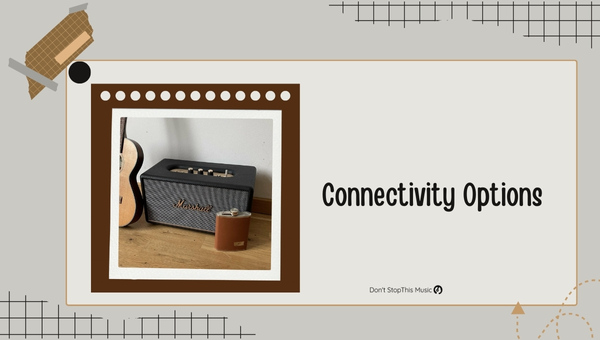
When comparing the Marshall Acton and Stanmore speakers, one key aspect to consider is the range of connectivity options they offer. In this section, I’ll go over the available options for each speaker, making it simpler for you to decide which best fits your needs.
Marshall Acton is well-equipped to handle various connectivity demands. Here are its options:
- Bluetooth: Acton has Bluetooth 5.0 with Qualcomm aptX, ensuring seamless wireless audio streaming from your devices with minimal audio loss and low latency.
- AUX: It includes a 3.5mm AUX input, allowing you to connect to any device with a headphone output.
- RCA: The speaker also features RCA input – an excellent addition for audiophiles who want to connect their turntables or CD players.
On the other hand, Stanmore also provides a range of connectivity options to suit diverse needs. These include:
- Bluetooth: Similar to Acton, Stanmore features Bluetooth 5.0 with Qualcomm aptX for high-quality wireless audio streaming.
- AUX: It is also equipped with a 3.5mm AUX input for connections to devices with headphone outputs.
- RCA: Immaculately catering to the needs of vintage music fans, Stanmore also possesses an RCA input for analog connections.
- Optical: As a bonus, this speaker offers Optical input, making it suitable for connections to modern devices such as TVs and gaming systems.
While both speakers have Bluetooth, AUX, and RCA input options, the Stanmore notably differs by offering Optical input. Here’s a quick comparison table for easy reference:
| Functionality | Marshall Acton | Stanmore |
|---|---|---|
| Bluetooth | 5.0, aptX | 5.0, aptX |
| AUX | 3.5mm | 3.5mm |
| RCA | Yes | Yes |
| Optical | No | Yes |
In summary, both the Marshall Acton and Stanmore offer their users a fantastic array of connectivity options, ensuring compatibility with a wide variety of devices and audio sources. While both provide Bluetooth, AUX, and RCA inputs, the more versatile Stanmore stands out with its additional Optical input, expanding the set of modern devices with which it can easily connect.
Voice Assistant Integration
When it comes to integrating voice assistants, I’ve found that Marshall’s Acton and Stanmore speakers offer uniquely different experiences. Let me dive into their individual capabilities and compatibility with popular voice assistants.
Marshall Acton is designed with a more modest approach to voice assistant integration. It’s compatible with devices that support Bluetooth 4.0 and comes with a 3.5mm input for physical connection, meaning you can easily pair it with your phone to access voice assistants like Siri, Google Assistant, and Amazon Alexa.
Here’s a quick glance at Acton’s key features related to voice assistant integration:
- Bluetooth 4.0 compatible
- 3.5mm input for physical connection
- Pair with smartphone to access voice assistants
Marshall Stanmore, on the other hand, offers a built-in voice assistant experience with its Stanmore II Voice series. This powerful speaker supports both Amazon Alexa and Google Assistant for maximum convenience. You’ll be able to control your music, ask questions, manage smart home devices, and much more directly through the Stanmore II Voice – no phone needed.
For a quick overview of Stanmore’s voice assistant features, check out this list:
- Stanmore II Voice series with a built-in voice assistant
- Supports both Amazon Alexa and Google Assistant
- Directly control music, ask questions, manage smart home devices
It’s clear that the choice between these two speakers depends on your personal preferences and needs for voice assistant integration. If you’re seeking a simpler, more affordable option, the Marshall Acton offers a minimalist approach since it relies on your smartphone’s voice assistant capabilities. It’s perfect for those who want an easy, wireless solution that doesn’t break the bank.
Alternatively, if you require a seamless, built-in voice assistant experience directly from the speaker, Marshall Stanmore II Voice definitely takes the prize. This powerhouse speaker ensures you have all the functionality of Alexa or Google Assistant without needing to fumble around with your smartphone.
In summary, Marshall Acton and Stanmore each offer their own unique take on voice assistant integration. Whether you prefer the simplicity of Acton or the convenient built-in features of the Stanmore II Voice, you’re bound to find a suitable match for your voice assistant needs.
Size and Portability
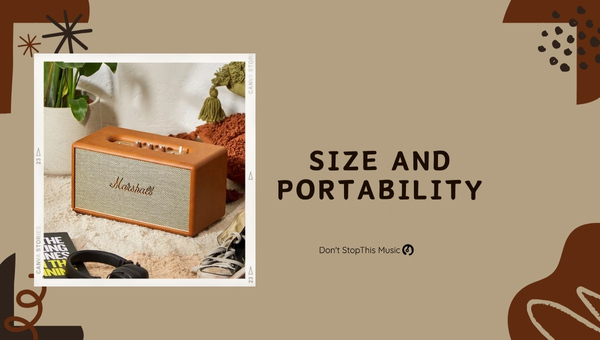
When it comes to size and portability, it’s important to consider the differences between the Marshall Acton and Stanmore speakers. I’ve used both of these products and can speak from experience about their dimensions and ease of transport.
The Marshall Acton is a smaller speaker that measures 10.45 x 6.30 x 5.91 inches and weighs approximately 6.61 pounds. Its compact size and lightweight design make it a better option for those who value portability, or simply need a more space-efficient speaker.
On the other hand, the Stanmore is a larger speaker. It has dimensions of 13.78 x 7.68 x 7.28 inches and a weight of 10 pounds. While it’s bulkier and heavier than the Acton, it still retains some degree of portability. However, it’s not as convenient to carry around as the Acton.
Here’s a table to visualize their size and weight differences:
| Marshall Acton | Stanmore | |
|---|---|---|
| Dimensions | 10.45″x6.30″x5.91″ | 13.78″x7.68″x7.28″ |
| Weight | 6.61lbs | 10lbs |
- Note: The dimensions are in inches and the weight is in pounds.
In terms of portability, it should be noted that both speakers have built-in carry handles. This feature makes it easier to transport the speakers from one place to another. Nevertheless, the smaller size and lighter weight of the Acton make it the more practical option for frequent moves and on-the-go use.
From my experience with these products, I found that the Acton was much easier to move around and set up in various locations. The Stanmore, while still manageable, was a bit more cumbersome due to its larger size and heavier weight.
In summary:
- The Marshall Acton is the smaller, lighter option, making it more portable and better suited for those with limited space or who frequently move their speaker.
- The Stanmore is larger and heavier but still retains some portability with its built-in carry handle.
Size and portability should be taken into account when choosing between the Marshall Acton and Stanmore speakers. If you require a compact, lightweight speaker that’s easy to transport, the Acton is the better choice. However, if you don’t mind a heftier, bulkier speaker, the Stanmore offers a larger size and can still be carried around with relative ease.
Comparing Wattage
When it comes to discussing the Marshall Acton and Stanmore, wattage is a key factor in determining their audio performance. I’ve had the opportunity to test both speakers, and it’s essential to dive into the differences in wattage to better understand their capabilities.
The Marshall Acton has a combined wattage of 50W, which is configured as follows:
- 30W Class D amplifier for the woofer
- 2 x 10W Class D amplifiers for the tweeters
On the other hand, the Marshall Stanmore boasts a combined wattage of 80W, with the details as follows:
- 50W Class D amplifier for the woofer
- 2 x 15W Class D amplifiers for the tweeters
Here’s a side-by-side comparison table of the wattage for each speaker:
| Speaker | Woofer Wattage | Tweeter Wattage | Combined Wattage |
|---|---|---|---|
| Marshall Acton | 30W | 2 x 10W | 50W |
| Stanmore | 50W | 2 x 15W | 80W |
In terms of audio performance, the higher wattage of the Marshall Stanmore contributes to a more powerful and immersive sound. This can be particularly noticeable when playing music with deep bass, as well as when cranking up the volume during parties or gatherings.
However, it’s important to note that wattage isn’t the only deciding factor in audio quality. Factors such as speaker size, design, and audio processing technology also play major roles. Comparing the size of these two models, the Acton is more compact and portable, whereas the Stanmore has a larger footprint and is designed to fill larger rooms with sound.
Besides wattage, both the Acton and Stanmore have customizable tonal controls for adjusting bass and treble levels. This allows you to tweak the audio output based on your personal preferences and the type of music you’re listening to.
To sum it up, here’s a brief overview of the main differences between the Marshall Acton and Stanmore in terms of wattage and audio performance:
- Marshall Acton has a combined wattage of 50W, while the Stanmore has 80W
- Stanmore offers a more powerful and immersive sound, especially at higher volumes
- Acton is more compact and portable compared to the larger Stanmore
- Both speakers feature customizable bass and treble controls
With this information in mind, you can make an informed decision about which Marshall speaker best suits your needs based on wattage and other factors.
Price Points
When considering the Marshall Acton and Stanmore speakers, it’s important to acknowledge their price differences. As a user of these products, I can assure you that the price is often reflective of the performance and features offered.
Marshall Acton is the more affordable option of the two. You can expect to find it within the price range of $190 to $240. The Acton offers a solid sound for its size, Bluetooth capability, and stylish design, making it a great choice for those on a budget or with limited space. Here’s a quick breakdown of the Acton’s price range:
| Store | Price ($) |
|---|---|
| Amazon | 220 |
| Best Buy | 190 |
| Marshall | 240 |
Marshall Stanmore, on the other hand, caters to the higher-end market segment. It’s typically priced between $310 and $360, and the increase in cost is justifiable given its larger size, enhanced sound quality, and additional features. The following table outlines the Stanmore’s price range according to various stores:
| Store | Price ($) |
|---|---|
| Amazon | 330 |
| Best Buy | 310 |
| Marshall | 360 |
Considering both speaker models, it’s clear that cost is an essential factor. If you are on a tighter budget or wish to prioritize portability, the Marshall Acton seems like the more suitable choice. However, if you’re willing to invest a bit more and desire a speaker with superior audio performance, the Marshall Stanmore should be your top pick.
To help you better understand the value each speaker offers, let’s break down their features:
- Marshall Acton:
- Compact design, great for limited space
- Bluetooth capability
- Class D amplifiers
- Customizable sound with 3.5mm cable input
- Marshall Stanmore:
- Larger size, louder sound output
- Bluetooth capability
- Class D amplifiers
- Optical and RCA inputs allow for multiple connection options
- Customizable sound with 3.5mm cable input
Taking the price points into account, I hope you can weigh the pros and cons of each speaker to determine the best fit for your needs and budget.
Who Is Each Model For?

Let’s dive into the details to understand who might be the ideal customer for each of these impressive models, the Marshall Acton and the Stanmore.
When it comes to the Marshall Acton, it’s more suited for individuals seeking a compact and easily portable option. This speaker is small enough to fit into any room, without compromising on its sound quality. Some essential features of the Acton are:
- Compact size: The Acton is smaller and lighter than the Stanmore, making it easier to place in tight spaces or carry around.
- Power source: The Acton operates on a rechargeable battery, giving you the freedom to move and enjoy music without needing constant access to a power outlet.
- Price point: Typically, the Acton is more affordable compared to the Stanmore, making it an attractive option for those on a budget.
| Model | Size (WxHxD) | Weight | Power Source | Average Price |
|---|---|---|---|---|
| Acton | 10.4 x 6.3 x 5.9 in | 6.6 lbs | Rechargeable battery | $230 |
| Stanmore | 13.8 x 7.3 x 7.3 in | 10.25 lbs | AC Adapter | $350 |
On the other hand, the Marshall Stanmore is designed for those who prioritize sound performance and quality above everything else. This speaker is perfect if you’re looking for a model that can produce a robust and rich audio experience in larger spaces. Important aspects of the Stanmore include:
- Sound performance: Compared to the Acton, the Stanmore delivers a more powerful sound with deeper bass, making it ideal for parties and larger gatherings.
- Connectivity: The Stanmore offers multiple connection options, including Bluetooth, AUX, RCA, and Optical input, providing versatile options in terms of connectivity.
- Classic design: The Stanmore boasts a stylish and classic design inspired by the iconic Marshall guitar amps, making it an excellent addition to any home or office setting.
To sum it up, the Marshall Acton is an excellent choice if you’re looking for a compact speaker that can be easily carried around, doesn’t require a power outlet, and can fit your budget. On the other hand, the Marshall Stanmore is ideal if you’re after a powerful sound experience in larger rooms, with multiple connectivity options and a sophisticated design that matches its sound quality.
Overall Pros and Cons
When comparing the Marshall Acton and the Stanmore, I’ve found some key pros and cons to consider. These factors might help you make a more informed decision when considering which of these high-quality speakers is right for you.
Marshall Acton Pros:
- Compact size: The Acton’s smaller form factor makes it perfect for those with limited space.
- Modern connectivity: Bluetooth 5.0 and a 3.5mm audio jack provide flexibility when connecting to your devices.
- Affordable: Priced lower than the Stanmore, the Acton offers a more budget-friendly option.
Marshall Acton Cons:
- Less powerful: With a lower wattage, the Acton may not be ideal for larger rooms or for people who enjoy booming bass.
- Limited EQ Adjustments: Unlike the Stanmore, the Acton has fewer knobs and adjustments to customize the sound.
Stanmore Pros:
- Higher-end audio: The Stanmore’s larger drivers and increased wattage provide a richer, more immersive sound.
- Customizability: The Stanmore’s analog knobs provide greater control over the EQ settings.
- Multihost functionality: This feature allows you to easily switch between multiple devices without the need to reconnect, enhancing the overall user experience.
Stanmore Cons:
- Bigger size: While the increased size provides better sound, it may not fit well in smaller spaces.
- Higher price: The Stanmore is more expensive than the Acton, which might be a concern for budget-conscious consumers.
To help you compare the specifications of these speakers, I’ve prepared a table below:
| Feature | Marshall Acton | Stanmore |
|---|---|---|
| Dimensions | 10.24 x 6.14 x 5.91 inches | 13.78 x 7.68 x 7.28 inches |
| Weight | 6.61 lbs | 10.25 lbs |
| Wattage | 41W | 80W |
| Connectivity | Bluetooth 5.0, 3.5mm Audio Jack | Bluetooth 5.0, 3.5mm Audio Jack, RCA Input |
| EQ Adjustments | Bass and Treble | Bass, Treble, and Midrange |
| Price | $$$ | $$$$$ |
If you take these pros, cons, and specifications into account, you’ll be better equipped to decide between the Marshall Acton and Stanmore speakers. It’s essential to consider factors like size, price, and audio performance when making your decision. The perfect speaker for you might depend on personal preferences, space constraints, and budget.
Conclusion: Choosing Your Speaker
It’s finally time to make a decision between the Marshall Acton and the Stanmore speakers. After thorough testing and comparing them in various settings, I’ve gathered some insights to help you decide which one suits your needs the best.
Here’s what you should consider before choosing:
- Size and portability: The Marshall Acton is more compact and lighter, making it the preferable choice if you value portability. On the other hand, the Stanmore is larger and heavier but offers a more powerful sound output.
- Power output and sound quality: The Stanmore has a higher power output and provides a richer audio experience with better bass and greater clarity. If you primarily prioritize sound quality, the Stanmore may be the better option for you. But if you’re on a budget and looking for a decent sound experience, the Acton won’t disappoint.
- Connectivity and usability: Both speakers support Bluetooth 5.0 and offer 3.5mm auxiliary and RCA inputs. They also have multi-host functionality, but the Stanmore stands out with the addition of an optical input for TVs and other devices.
Given these factors, here’s a quick summary:
| Feature | Marshall Acton | Marshall Stanmore |
|---|---|---|
| Size and Portability | Compact and lighter | Larger and heavier |
| Power Output and Sound | Good sound quality (suitable for casual listeners) | Superior sound quality (suitable for music enthusiasts) |
| Connectivity and Usability | Bluetooth 5.0, 3.5mm, RCA, Multi-host | Bluetooth 5.0, 3.5mm, RCA, Optical, Multi-host |
Whichever speaker you decide on, remember that both the Marshall Acton and Stanmore offer great audio quality, stylish design, and reliable performance. It ultimately comes down to your preferences and what you’re willing to invest in your music experience. As someone who’s used both products, I can vouch for their capabilities and recommend them as solid choices for any home audio setup.