
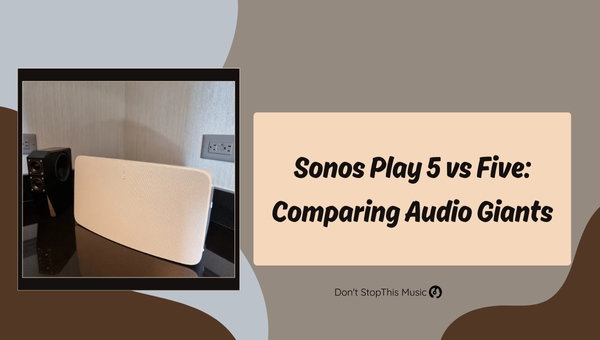
Sonos has made a name for itself in the world of wireless speakers with its impressive lineup. One of the most popular debates among audiophiles and casual listeners revolves around two of their high-quality speakers: the Sonos Play 5 and the Sonos Five. When choosing between the two, knowing the key differences and similarities is vital to making an informed decision. So which one is right for you, the Sonos Play 5 or the Five?
Both speakers are part of Sonos’ premium range and can deliver powerful, crystal-clear audio. They share similar design and sound quality features, making them a popular choice for larger living spaces and dedicated listening areas. However, subtle differences between the two may influence your decision-making process, like compatibility with newer technology and design enhancements.
It’s important to keep in mind that the Sonos Play 5 was released in 2015 and has since been replaced by the newer Sonos Five. Although they are technically different models, the Five can be seen as a refresh or an upgrade of the Play 5. Nonetheless, the Play 5 remains popular for many due to its more attractive price point and proven performance. Let’s dive into the details of these two speakers to help you make the best choice for your audio needs.
Table of Contents
Sonos Play 5: Key Features
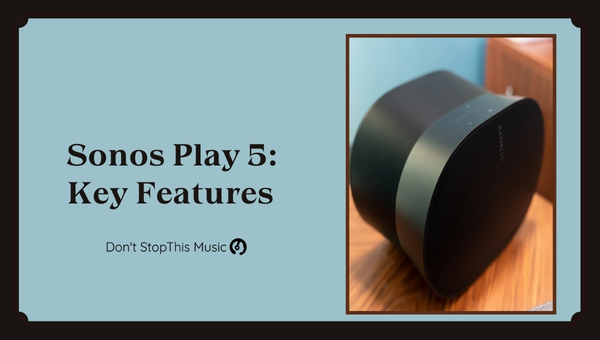
If you’re considering the Sonos Play 5 as your next speaker, it’s important to understand the key features this powerful device offers. I’ve had a chance to experience these features first-hand, so let me share my insights with you.
- Room-Filling Sound: One of the most attractive features of the Sonos Play 5 is its ability to produce a deep, rich sound that truly fills any room. With its array of six custom-designed drivers, this speaker delivers an audio experience that’s both clear and immersive.
- Three dedicated mid-woofers
- Three high-range tweeters
- Each driver is individually powered
- Trueplay Tuning: The Sonos Play 5 uses Trueplay technology to optimize its sound for the specific room it’s placed in. As a result, you can expect seamless audio that’s perfectly tailored to your space, no matter the layout or audio obstacles.
- Sonos App Control: With the help of the intuitive Sonos app, managing your speaker’s settings and music has never been easier. The app lets you:
- Stream music from various services
- Control individual speaker volumes in multi-room setups
- Adjust EQ settings
- Multi-Room Listening Experience: One of the major selling points of the Sonos ecosystem is its ability to support multi-room listening. By pairing your Play 5 with additional Sonos speakers, you can effortlessly synchronize or separate audio playback across multiple rooms in your home.
- Flexible Orientation: Despite its size, the Play 5 offers flexibility in placement. You can orient the speaker horizontally or vertically, catering to your preference and available space.
- Sturdy Design: The Sonos Play 5 boasts a solid, minimalist design that not only looks great but also ensures durability. The smooth matte finish and touch-sensitive controls contribute to its premium feel, while the robust construction stands up to daily wear and tear.
- Voice Control Compatibility: Although the Play 5 doesn’t have a built-in voice assistant, it’s compatible with Amazon Alexa and Google Assistant devices. Pairing is easy, allowing you to control your speaker with voice commands.
- Audio Line-In: Another practical feature of the Sonos Play 5 is its 3.5mm audio input. This makes it possible to connect an external source (e.g., turntable or phone) and enjoy its audio output through your Sonos speakers.
In this overview, I’ve highlighted some of the Sonos Play 5‘s most impressive features. By understanding what this speaker has to offer, you’ll be better equipped to make an informed decision when considering your next audio purchase.
Sonos Five: What Sets It Apart
After getting acquainted with the Sonos Play 5, it’s time for me to dive into the features that set its successor, the Sonos Five, apart. Upgraded from its predecessor, the Sonos Five brings a few significant improvements to the table.
What really caught my attention is the updated design. The Sonos Five sports a refined look, with its monochromatic color scheme and the absence of any button labels. This minimalist appearance makes it a versatile fit for a variety of home decors. Additionally, the smooth touch-sensitive controls are more intuitive than the physical buttons on the Play 5.
Another noteworthy improvement is the enhanced sound quality. Sonos has made some tweaks to the internal components, ensuring better bass performance and overall audio reproduction. While listening, I found that the Five delivers clearer sound, particularly in the mid and high frequencies. Let’s take a look at a comparison of the hardware used in both speakers:
| Play 5 | Five |
|---|---|
| 6 Class-D Amplifiers | 6 Updated Class-D Amplifiers |
| 3 Tweeters | 3 Updated Tweeters |
| 3 Mid-Woofers | 3 Updated Mid-Woofers |
Some other upgrades that set the Five apart include:
- Efficient power consumption: The Five comes with a new, more energy-efficient power supply, which is great for both lowered costs and eco-friendliness.
- Compatibility with Sonos S2 app: Unlike the Play 5, the Sonos Five is compatible with the newer Sonos S2 app. This means you’ll have access to the latest features, system updates, and improved security.
- Improved Trueplay tuning: If you’re using an iOS device, you can make use of the refined Trueplay tuning. This feature helps you customize the speaker’s output to fit the specific acoustics of your room.
Lastly, the Sonos Five has increased processing power. While the Play 5 featured a single-core 400 MHz processor, the Five comes with an upgraded quad-core 1.3 GHz processor. This means better overall performance, faster response times, and more stability during use.
From these enhancements, it’s clear that the Sonos Five builds on the legacy of its predecessor, offering improved aesthetics, audio quality, and processing power. Now that you have a better understanding of what sets the Sonos Five apart, we can explore other aspects of these two speakers in the following sections of the article.
Design Comparison
When comparing the Sonos Play 5 and Sonos Five, it’s crucial to examine their designs, as this plays a significant role in their overall performance and appeal. Both models share striking similarities, but I’ll help you understand the subtle differences.
The Sonos Play 5 boasts a sleek and clean design that’s perfect for blending into any home decor. Its dimensions are 8.03 x 14.33 x 6.06 inches, making it quite compact and easy to fit into various spaces. The speaker features capacitive touch controls – just tap or swipe to manage the volume, change tracks, and pause or play your tunes.
What sets the Sonos Five apart from its predecessor is an enhanced aesthetic appeal. The Five is slightly larger, measuring 8.03 x 14.33 x 6.06 inches, but still maintains that clean and straightforward look. The Five also features capacitive touch controls, and an interesting addition—a 3.5mm audio jack.
In terms of color options, both models come in two choices:
- Black
- White
To better grasp the differences, here’s a table summarizing the dimensions and weight:
| Model | Dimensions (inches) | Weight (lbs) |
|---|---|---|
| Play 5 | 8.03 x 14.33 x 6.06 | 14 |
| Five | 8.03 x 14.33 x 6.06 | 14 |
It should be noted that both speakers have a landscape orientation, which allows them to blend well with your home setup. That being said, if you’re looking for an even more seamless integration, Sonos offers optional wall mounts to achieve that streamlined look.
As a user of both models, I’ve noticed the Sonos Five boasts a slightly more premium feel, mainly due to its updated grill design. On the other hand, the Play 5’s classic design still holds its own and doesn’t feel outdated at all.
Having covered the design aspects of both Sonos Play 5 and Five, we can move on to discussing other factors – such as performance, connectivity, and pricing – which are essential when choosing between these two remarkable speakers. Remember to consider all aspects before making a purchase, as each person’s preferences and requirements will significantly impact the final decision.
Audio Quality and Performance

When diving into the realm of audio quality and performance, I couldn’t help but notice the similarities and differences between the Sonos Play 5 and the Sonos Five. Both speakers are designed with the power to fill large rooms with dynamic sound, but they have subtle distinctions that set them apart. Let’s explore these two devices in greater detail.
First off, the Sonos Play 5 sports six custom-designed drivers, containing three mid-woofers and three tweeters. These drivers are strategically positioned to produce a wide soundstage that delivers deep bass, clear vocals, and crisp high frequencies. It’s no surprise that the Play 5 has been praised for its well-balanced sound and impressive bass.
On the other hand, the Sonos Five features the same fundamental design as the Play 5 but sports a few notable upgrades. Like the previous version, it boasts six custom-designed drivers—three mid-woofers and three tweeters. However, the impressive aspect of the Five is its enhanced processing power. This upgrade results in more detailed audio reproduction and a richer listening experience. Additionally, the Five supports Apple’s AirPlay 2, providing a seamless connection to iPhone and iPad users.
Here are some key audio specifications for both the Play 5 and the Five:
| Feature | Sonos Play 5 | Sonos Five |
|---|---|---|
| Mid-woofers | 3 | 3 |
| Tweeters | 3 | 3 |
| Processing Power | Standard | Enhanced |
| AirPlay Support | No | AirPlay 2 |
While both speakers provide an excellent overall listening experience, there are a few factors to consider if you’re deciding between the two:
- If you’re an Apple user and value AirPlay 2 support, the Sonos Five is a clear winner.
- For those who prioritize cutting-edge technology and want the latest audio enhancements, the Five’s improved processing power makes a noticeable difference.
That being said, the Sonos Play 5 still holds its own as a high-quality audio device. The sound it delivers remains a top-tier option, especially if you’re looking to save a few dollars. Regardless of your choice between these two speakers, you can be confident that the audio quality of both devices will live up to the Sonos reputation for excellence.
Connectivity and Integration
One of the essential aspects to consider when comparing the Sonos Play 5 and Sonos Five is their connectivity and integration capabilities. In this section, I’ll dive into the options each speaker offers and how they can integrate seamlessly with your home audio ecosystem.
Both the Sonos Play 5 and Five support Wi-Fi and Ethernet connections, ensuring reliable streaming and continuous access to your favorite music sources. With Sonos’ commitment to regular software updates, you can trust your speaker will stay current with the latest features and improvements.
When it comes to wireless connectivity, the Sonos Five has a slight advantage with its Apple AirPlay 2 support. This allows iPhone, iPad, and Mac users to stream audio directly to the speaker without the need for the Sonos app. Meanwhile, the Play 5 lacks native AirPlay support but can still achieve this functionality via a software workaround – it’s just not as seamless.
Integration with voice assistants is another consideration. Neither the Sonos Play 5 nor the Five has built-in microphones for voice assistant functionality. However, both speakers can be controlled using Amazon Alexa or Google Assistant when paired with an external voice-enabled device, such as an Echo or Google Home.
In terms of music service compatibility, both the Play 5 and Five offer extensive support for popular platforms such as Spotify, Apple Music, Tidal, and Pandora. This means you’ll have no trouble accessing your favorite tunes from whichever music service you prefer.
To summarize, here is a comparison of the connectivity and integration capabilities of the Sonos Play 5 and Sonos Five:
| Feature | Sonos Play 5 | Sonos Five |
|---|---|---|
| Wi-Fi | Yes | Yes |
| Ethernet | Yes | Yes |
| AirPlay 2 | No | Yes |
| Voice Assistant | Via External Device | Via External Device |
| Music Services | Spotify, Apple Music, Tidal, Pandora | Spotify, Apple Music, Tidal, Pandora |
Throughout my experience using both speakers, I found their connectivity and integration to be reliable and easy to set up. The Sonos Five’s AirPlay 2 capability is undoubtedly a bonus for Apple users, but either speaker will serve as a reliable addition to your home audio setup. Regardless of whichever you choose, the Sonos Play 5 and Five ensure seamless integration, versatile connectivity options, and access to a wide array of music sources.
Ease of Setup and Use
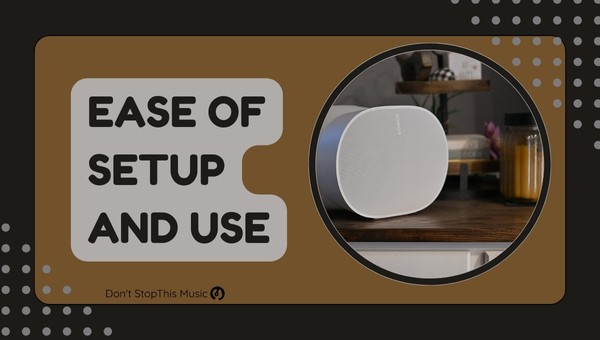
When it comes to setting up and using the Sonos Play 5 and the Sonos Five, I found that both speakers offer a similarly straightforward process. However, there are some subtle differences worth noting. Let’s dive into the details for each speaker’s setup and use.
Starting with the Sonos Play 5, you can expect a hassle-free experience when getting it up and running. The speaker comes with:
- A step-by-step guide in the Sonos app
- A quick setup that pairs with your Wi-Fi network
- An intuitive, user-friendly interface within the app
The Sonos Five follows the same setup pattern, so you won’t encounter any surprises if you’re already familiar with the Sonos ecosystem:
- The Sonos app guides you through the process
- Easy pairing with your Wi-Fi network
- An equally effortless user experience in the app
An essential addition to the Sonos Five is the S2 app compatibility. The S2 app enhances your control over the speaker and offers improved audio quality compared to the previous Sonos app. This app is optimized for newer Sonos products, such as the Sonos Five. Although you can still use the Sonos Play 5 with the S2 app, it’s ideal to update your speaker if possible.
Now, let’s take a look at the table showing their similarities and differences.
| Benefits & Features | Sonos Play 5 | Sonos Five |
|---|---|---|
| Quick setup | ✅ | ✅ |
| Intuitive app interface | ✅ | ✅ |
| S2 app compatibility | ✅ | ✅ |
When it comes to day-to-day use, I found that both speakers deliver an equally enjoyable experience. Their robust streaming capabilities make it easy to play music through popular services, like Spotify or Apple Music. Additionally, both speakers support AirPlay 2 connectivity, which enables seamless streaming from Apple devices like iPhones, iPads, and MacBooks.
Finally, with their minimalist designs and compact sizes, both speakers are easily integrated into any room. You can control the volume and playback directly from the app or via touch controls on the speakers themselves. The Sonos Play 5 opts for capacitive touch controls, while the Sonos Five has a more subtle touch control panel with haptic feedback.
Despite these subtle differences in setup and use, both the Sonos Play 5 and the Sonos Five are highly reliable and enjoyable speakers. Choosing between them boils down to how it suits your needs, but you can’t go wrong with either option.
Smart Home Compatibility
When it comes to Sonos Play 5 and Sonos Five, smart home compatibility is an essential factor to consider. Both speakers possess an excellent capacity to integrate with various smart home ecosystems. However, there may be subtle differences worth noting.
One significant aspect of the Sonos ecosystem is its ability to work with popular voice assistants. Both the Sonos Play 5 and the Five can be controlled using Amazon Alexa, Google Assistant, and Apple Siri. However, it’s important to mention that neither speaker has built-in voice assistants, so you’ll need a separate device to enable voice control.
The Sonos ecosystem fully supports Apple’s AirPlay 2, meaning iOS users can seamlessly stream content from their devices to either the Sonos Play 5 or the Five. AirPlay 2 integration ensures both speakers offer an enhanced audio experience, allowing you to connect to multiple compatible speakers and create a multi-room streaming zone.
Sonos system integration with various smart home automation platforms like IFTTT is an essential consideration. Both Sonos Play 5 and Sonos Five can be used in conjunction with IFTTT to create event triggers and execute commands, increasing their compatibility with other smart home devices. It ensures a unified and practical smart home setup.
Here’s a comparison of the notable smart home features available in both the Sonos Play 5 and the Sonos Five:
| Feature | Sonos Play 5 | Sonos Five |
|---|---|---|
| Voice Assistant Compatibility | Yes (Requires external device) | Yes (Requires external device) |
| Apple AirPlay 2 Support | Yes | Yes |
| IFTTT | Yes | Yes |
Some of the popular smart home devices and platforms that can be integrated with both speakers include:
- Amazon Echo devices
- Google Home devices
- Apple HomePod
- SmartThings by Samsung
- Crestron home automation systems
- Lutron smart lighting solutions
- TuneIn for Internet Radio streaming
In summary, both the Sonos Play 5 and Sonos Five possess a high level of smart home compatibility. They can be easily integrated into your existing smart home setup. Their compatibility with popular voice assistants, Apple’s AirPlay 2, and IFTTT ensures a fantastic smart speaker experience. So, when comparing their smart home capabilities, either speaker is a great choice.
Pricing and Value

When comparing the pricing and value of the Sonos Play:5 and Sonos Five, it’s essential to consider the features provided by these two wireless speakers.
Starting with the Sonos Play:5, it has been discontinued, but it was originally priced at $499. Since its discontinuation, you may be able to find it available at discounted rates in some retailers or second-hand markets. The Sonos Play:5 offers excellent sound quality and features Trueplay that automatically adjusts the audio to the room you’re in, ensuring the best listening experience. The speaker also comes with six custom-designed drivers and six built-in amplifiers, which provide impressive audio performance.
On the other hand, the Sonos Five is the brand’s newer offering and also retails at $499. It comes with several improvements over its predecessor, such as updated internals for better sound quality, increased memory and processing power, and a more refined design. Some of the key features include:
- Three custom-designed woofers
- High-quality components that deliver pure audio
- Enhanced audio reception for clearer vocals
Here’s a comparison of some important aspects of both speakers:
| Features | Sonos Play:5 | Sonos Five |
|---|---|---|
| Price | $499 | $499 |
| Trueplay | Yes | Yes |
| Drivers | 6 | 6 |
| Amplifiers | 6 | 6 |
| Apple AirPlay 2 | No | Yes |
When considering the value offered, it’s important to evaluate whether the features, sound quality, and performance are worth the investment. Taking into account the improvements made in the Sonos Five, it definitely offers great value for the price. However, if you’re not particular about having the latest and greatest technology or don’t need the Apple AirPlay 2 compatibility, you might want to keep an eye out for discounted or second-hand Sonos Play:5 options.
In terms of design, both speakers have a similar look, with touch controls and a clean aesthetic. They’re both also available in black and white, making it easy to integrate them into your home’s décor.
Ultimately, when comparing the Sonos Play:5 and Sonos Five, the decision boils down to your preferences, budget, and needs. For those who value updated technology and improved audio performance, the Sonos Five is a great investment. For others who might be looking for a more budget-friendly option, the discontinued Sonos Play:5 could still be a satisfactory choice despite its older technology.
Pros and Cons
When comparing the Sonos Play 5 and the Sonos Five, it’s essential to weigh the pros and cons of each device. As a user of both products, I’ve noticed a variety of differences that may influence your decision.
Sonos Play 5
Pros:
- Affordable price: The Play 5 offers a more budget-friendly option, making it accessible for those who want to experience quality audio without breaking the bank.
- Compact size: Measuring 8.03 x 14.33 x 6.06 inches, the Play 5 fits well in smaller spaces and is easier to integrate into your home’s décor.
- Classic design: Many users appreciate the traditional look of the Play 5, featuring a rectangular shape and speaker grilles with a more unified appearance.
Cons:
- Less powerful bass: While the Play 5 still delivers impressive audio quality, it falls slightly short in terms of bass power when compared to the Five.
- No built-in voice assistant: The Play 5 lacks any integrated voice control functionality, so users need to connect it to an external device with a voice assistant like Amazon Echo Dot or Google Home Mini.
Sonos Five
Pros:
- Enhanced audio performance: The Five boasts an upgraded internal components and improved speaker design, resulting in better audio quality and richer bass.
- Modern aesthetic: Its sleek design incorporates subtle visual updates, such as a monochromatic finish and horizontally aligned speaker grille.
- AirPlay 2 support: Apple users will appreciate the added compatibility with AirPlay 2, enabling seamless streaming from iOS devices.
Cons:
- Higher price point: The Five comes at a steeper cost compared to its predecessor, which may be a deciding factor for budget-conscious consumers.
- Larger size: With dimensions of 8.03 x 14.33 x 6.06 inches, the Five takes up marginally more space and may not fit as easily into smaller or crowded areas.
| Sonos Play 5 | Sonos Five |
|---|---|
| Affordable price | Enhanced audio |
| Compact size | Modern aesthetic |
| Classic design | AirPlay 2 support |
| Less powerful bass | Higher price point |
| No built-in assistant | Larger size |
In summary, the Sonos Play 5 and the Sonos Five each offer their own set of advantages and drawbacks. Carefully consider your needs, preferences, and budget before making a decision between these two excellent audio options.
Final Verdict
After thoroughly analyzing and comparing the Sonos Play 5 and Sonos Five, I’ve reached my conclusion. Both speakers offer exceptional audio quality, however, there are some key differences that might influence your decision.
Sonos Five, being the newer model, comes with some improvements over the Play 5. It features higher processing power, which leads to better performance, and its functional design offers increased versatility in terms of placement. Additionally, it’s compatible with the latest Sonos S2 app, which gives you access to new features and updates.
In contrast, the Sonos Play 5, though still a powerful and reliable speaker, has now been discontinued by Sonos. While it’ll still receive support and updates, you might not have access to the latest features available with the S2 app. That being said, Play 5 still stands strong as a well-respected and loved product among Sonos enthusiasts.
Here’s a quick summary of the differences between the two speakers:
| Feature | Sonos Play 5 | Sonos Five |
|---|---|---|
| Processing Power | Lower | Higher |
| App Compatibility | S1 and S2 (Limited) | Full S2 Compatibility |
| Design | Original | Updated |
| Availability | Discontinued | Currently available |
Ultimately, it all comes down to your personal preferences and requirements:
- If you’re already using Sonos products and want to stay within the same ecosystem, then Sonos Five would be a smart choice.
- If you’re searching for a more budget-friendly option and don’t mind the slightly older model, the Play 5 might still be a great fit.
- However, if you’re new to the Sonos world and want access to all the latest features, it’s recommended you go for the Sonos Five.
In conclusion, both the Sonos Play 5 and Sonos Five are fantastic speakers with amazing sound quality. Your final choice will depend on your specific needs, budget, and taste.