
Choosing the right speaker system to accentuate your home audio experience can be tricky, especially when there are high-quality options like the Sonos Play 1 and the Sonos Five. While both speakers offer impressive sound quality and features, it’s crucial to understand their differences and what each has to offer. I’ll provide an in-depth comparison between these two popular Sonos speakers, ensuring you make an informed decision based on your individual needs and preferences.
The Sonos Play 1, an entry-level speaker, boasts a compact design that fits seamlessly into even the smallest spaces, making it perfect for those looking for exceptional audio in a tight spot. On the other hand, the Sonos Five, a more advanced speaker, comes equipped with superior audio capabilities and a more robust design, intended for larger rooms or for those with more discerning audio tastes.
As I delve further into this comparison, I’ll provide insights on the sound quality, design, and connectivity of each model, ultimately assisting you in determining which one of these Sonos speakers will best suit your audio needs and home environment. So, whether you’re a casual listener or a dedicated audiophile, this comparison should help bring clarity to your decision-making process.
Table of Contents
Sonos Play 1: Key Features
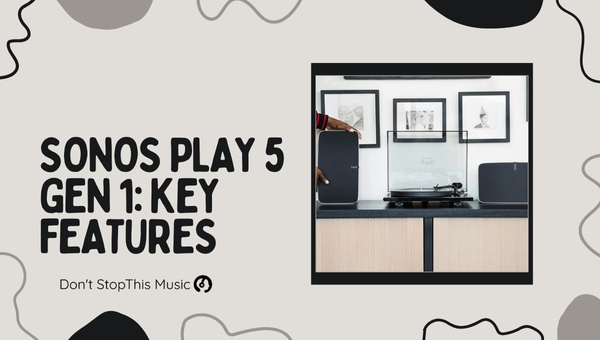
When I first got my hands on the Sonos Play 1, I was immediately impressed by its compact design and solid build quality. As the entry-level speaker in the Sonos lineup, it’s packed with key features that make it an attractive option for those new to the world of Sonos or looking to expand their current system. Here’s what I found most noteworthy:
Sound Quality
For its size, the Sonos Play 1 delivers a surprising amount of power. It’s equipped with two Class-D digital amplifiers, one tweeter for crisp high frequency sound, and one mid-woofer for clear mid-range frequencies and deep, rich bass. I’ve found that it’s perfect for smaller rooms and incorporating into a surround sound setup in larger spaces.
Easy Setup
I appreciated how simple it was to set up the Sonos Play 1. All I had to do was plug it in, download the Sonos app, and follow the on-screen instructions. Within minutes, I had my speaker up and running. Plus, with the Trueplay feature, the speaker can automatically optimize its sound based on the room it’s in. This means it’ll always sound great, no matter where I put it.
Multiroom Audio
One of the standout features of the Sonos Play 1 is its ability to join a multiroom audio system. I love that I can add it to my existing Sonos setup, or if I’m new to Sonos, start a new system with just one speaker. With the app, I can control which speakers are playing and are even able to group them together or play different music in each room. This flexibility makes it easy to create a customized listening experience throughout my home.
Voice Control
While the Sonos Play 1 doesn’t have its own built-in microphones for voice control, pairing it with a voice assistant, like the Amazon Echo or Google Home, adds a new level of convenience. With this setup, I can control the speaker using voice commands, making it even easier to play my favorite tunes and adjust the volume.
Connectivity
- Wi-Fi: The Sonos Play 1 connects to my home’s Wi-Fi network, making it super easy to stream music from my phone, tablet, or computer.
- Ethernet Port: If I prefer a hardwired connection, the speaker also features an Ethernet port.
In summary, the Sonos Play 1 is an affordable, yet powerful speaker that proves you don’t need to sacrifice quality for size. Its features, like easy setup, multiroom audio capabilities, and compatibility with voice assistants, make it an appealing option for those looking to add to their existing Sonos system or start a new one.
Sonos Five: Key Features
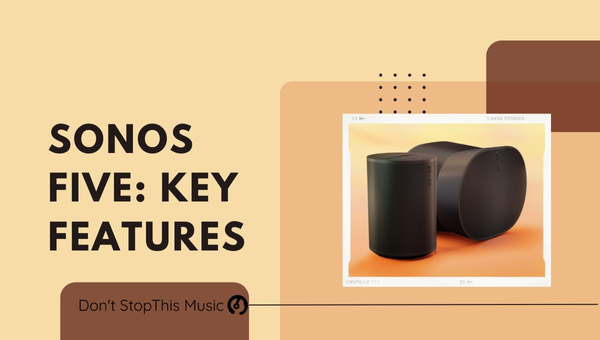
In my experience, the Sonos Five is an impressive audio device with plenty of key features that make it stand out. I’ll take you through these features, highlighting what makes it special.
First and foremost, the sound quality. The Sonos Five boasts six custom-designed drivers, comprising three mid-woofers, that produce rich bass tones, and three tweeters, which deliver crystal-clear high frequencies. This combination ensures not only deep bass but also detailed sound reproduction for your favorite tracks.
The Sonos wireless technology is another major advantage. With support for both Wi-Fi and Ethernet connections, it’s easy to integrate the Five into your existing Sonos ecosystem, giving you seamless control over all your audio devices right from the Sonos App. You can also wirelessly connect the Five to your Sonos network, eliminating the need for cables and enabling a clutter-free listening space.
The Sonos Five’s Trueplay technology is also worth noting. This feature allows for automatic room calibration, adjusting the speaker’s output to the acoustics of your listening environment. As a result, you’ll enjoy an optimally balanced sound wherever you decide to place your speaker.
Here’s a quick summary of the Sonos Five’s specs in a table format:
| Features | Sonos Five |
|---|---|
| Custom Designed Drivers | 6 (3 mid-woofers, 3 tweeters) |
| Wireless Connectivity | Wi-Fi, Ethernet |
| Trueplay Technology | Yes |
| Dimensions (H x W x D) | 8.03 x 14.33 x 6.06 inches |
| Weight | 14 lbs |
Another aspect where the Five shines is its extensive compatibility. It supports a wide range of music streaming services such as Spotify, Apple Music, and Amazon Music, just to name a few. Additionally, you can play your locally stored music files through any NAS devices connected to your home network.
Lastly, the Sonos Five is designed with stylish aesthetics in mind. Sporting a sleek, textured finish, it is available in both black and white color options. With its minimalistic appearance, this speaker will complement any home décor without being obtrusive.
Whether you’re a casual listener or an audiophile, the Sonos Five’s various features make it a strong contender in the wireless speaker market. Between its exceptional sound quality, Trueplay technology, and wide compatibility, this speaker is sure to leave a lasting impression on anyone who gives it a listen.
Design Comparison
When it comes to the design of the Sonos Play 1 and Sonos Five, there are some significant differences worth noting. Let’s take a closer look at the appearance, dimensions, and build quality of both speakers.
The Sonos Play 1 has a compact design measuring 4.69 x 4.69 x 6.36 inches and weighing 4.08 lbs, making it an ideal option for those with limited space or looking for a speaker to use in smaller rooms. Its sleek, minimalist design features a matte grille and is available in both black and white color options, allowing for easy integration into various home decor styles. Key design aspects of the Sonos Play 1 include:
- Compact size perfect for small rooms
- Minimalist design with matte grille
- Available in black or white
- Rounded corners and tapered shape
In contrast, the Sonos Five has a larger and more imposing presence, with dimensions of 14.33 x 8.03 x 6.06 inches and a weight of 14 lbs. This speaker is built for those seeking a more powerful, room-filling audio experience. It features an updated design with a bold aesthetic, available in both black and white, making it a statement piece in any home. The Sonos Five’s essential design elements are:
- Larger size for a more impactful audio experience
- Bold, updated aesthetic
- Available in black or white
- Distinctive horizontal orientation
| Speaker | Dimensions | Weight | Color Options |
|---|---|---|---|
| Sonos Play 1 | 4.69 x 4.69 x 6.36 inches | 4.08 lbs | Black, White |
| Sonos Five | 14.33 x 8.03 x 6.06 inches | 14 lbs | Black, White |
In terms of build quality, both the Play 1 and Five are known for their robust, well-constructed exteriors. They’re encased in a high-quality, dense plastic, providing them with a durable finish. As with all Sonos speakers, the materials used in their construction are designed to withstand daily wear and tear, ensuring longevity of the products.
To summarize, the design distinctions between the Sonos Play 1 and the Sonos Five are primarily based on size, aesthetic, and overall design intent. You’ll find a more compact, minimalist design in the Play 1, ideally suited for small rooms and spaces. On the other hand, the Five features a bolder appearance and larger size built for delivering a more impactful audio experience in bigger rooms.
Sound Quality Analysis

When it comes to sound quality, both the Sonos Play:1 and Sonos Five have their own unique strengths and advantages. In this section, I’ll delve into the differences in sound quality between these two speakers to give you a better understanding of their performance.
Sonos Play:1
The Play:1 is a compact speaker that delivers impressive sound despite its size. With its two class-D digital amplifiers, one tweeter, and one mid-woofer, it offers a rich, detailed audio experience. Let me highlight its key sound features:
- Two class-D digital amplifiers: These deliver powerful and energy-efficient sound.
- One tweeter: Responsible for high-frequency response and clear, crisp vocals.
- One mid-woofer: Ensures faithful playback of mid-range frequencies and deep bass.
The Play:1 is ideal for small to medium-sized rooms where space is limited, and its compact design doesn’t compromise audio quality.
Sonos Five
On the other hand, the Sonos Five boasts six class-D digital amplifiers, three tweeters, and three mid-woofers, making it a truly high-fidelity speaker. Its sound quality surpasses that of the Play:1. Here’s a quick rundown of the Five’s features:
- Six class-D digital amplifiers: Provides ample power for a robust and dynamic sound.
- Three tweeters: Delivers an extended high-frequency response and immersive sound experience.
- Three mid-woofers: Ensures rich mid-range frequencies, powerful bass, and overall audio depth.
The Sonos Five’s additional drivers work together to deliver a fuller, more immersive sound, making it a preferred choice for larger rooms or spaces where superior audio quality is desired.
Comparing key sound features of both speakers:
| Features | Sonos Play:1 | Sonos Five |
|---|---|---|
| class-D digital amps | 2 | 6 |
| tweeters | 1 | 3 |
| mid-woofers | 1 | 3 |
As you can see, there is a significant difference in the number of audio components between the two speakers, which contributes to their differing sound quality levels.
Soundstage and Imaging
While both speakers offer fantastic sound, the Five has a wider soundstage and more precise imaging, due to its additional tweeters and mid-woofers. This results in a more immersive and realistic listening experience when compared to the Play:1.
Remember, your choice ultimately depends on your individual needs and preferences. If you’re looking for a compact speaker with commendable sound quality, the Play:1 might be the best fit. However, if you want a speaker that offers superior audio performance and a wider soundstage, the Sonos Five should be your go-to option.
Wireless Streaming & Connectivity
When discussing the Sonos Play 1 and Sonos Five, it’s essential to examine their wireless streaming and connectivity capabilities. As someone who has used both devices, I can attest to their unique features and specifications in this regard.
The Play 1, as an older model, includes good wireless connectivity options. It supports Wifi and comes with a standard Ethernet port. By default, Play 1 connects to a home’s wireless network using 2.4 GHz band, which is common for most wireless devices. It’s essential to mention that the Play 1 doesn’t support Apple AirPlay or Bluetooth, which makes it less versatile for users with various streaming preferences.
On the other hand, the Sonos Five boasts more advanced streaming and connectivity options. As the newest device in the Sonos lineup, the Five supports both Wifi and Bluetooth, providing users with the flexibility they need for seamless connectivity. The Five can operate on both 2.4 GHz and 5 GHz Wifi bands, allowing it to connect to newer routers with dual-band capabilities. It also comes with an Ethernet port and is compatible with Apple AirPlay 2, further expanding its streaming options.
Comparing the two devices, here are some key differences in their wireless streaming and connectivity:
| Feature | Sonos Play 1 | Sonos Five |
|---|---|---|
| Wifi Bands | 2.4 GHz | 2.4 & 5 GHz |
| Ethernet Port | Yes | Yes |
| Bluetooth | No | Yes |
| Apple AirPlay | No | AirPlay 2 |
In terms of multi-room capabilities, both the Play 1 and Five excel when it comes to creating a cohesive listening experience across multiple spaces. Both devices can be connected to the Sonos app, so you can easily manage and control them using one interface.
- For Play:1, you can pair two units as a stereo pair or incorporate them into a larger Sonos setup with other compatible devices.
- For Five, the versatility is increased with the ability to pair two devices as a stereo pair, integrate them into a Sonos surround setup, or use them individually.
To summarize, the Sonos Play 1 and Five both offer wireless streaming and connectivity options that cater to different user preferences. While the Play 1 provides basic options with Wifi and Ethernet, the Five steps up the game with added Bluetooth, Apple AirPlay 2 compatibility, and dual-band Wifi support. Users looking for more advanced connectivity and streaming capabilities should opt for the Sonos Five, whereas those who desire a more basic setup would be content with the Play 1’s offerings.
Device Compatibility
When considering the Sonos Play 1 vs Five, it’s crucial to consider the compatibility of both speakers with various devices. In this section, I’ll explore the compatibility options for both the Sonos Play 1 and the Sonos Five, focusing on the range of devices they can connect to and the different ways they can be controlled.
First, let me examine the Sonos Play 1. This speaker is compatible with a wide range of devices, including smartphones, tablets, and computers. You can control it using the Sonos app, which is available for both iOS and Android devices. Additionally, the Play 1 supports AirPlay 2, allowing you to stream music directly from your iOS device. However, the Play 1 doesn’t offer built-in voice control, so you’ll need to pair it with a separate voice-enabled device, like an Amazon Echo or Google Home, if you want to use voice commands.
Now, let’s delve into the Sonos Five. Like the Play 1, the Five is compatible with smartphones, tablets, and computers. It can be controlled via the Sonos app, and it also supports AirPlay 2. A significant difference, though, is that the Five comes with an audio line-in connection, allowing you to connect an external device like a CD player or turntable directly to the speaker. While the Five doesn’t have built-in voice control either, it can, like the Play 1, be paired with an Amazon Echo or Google Home for voice commands.
The following table highlights some of the compatibility features for the Sonos Play 1 and the Sonos Five:
| Feature | Sonos Play 1 | Sonos Five |
|---|---|---|
| Sonos App Control | Yes | Yes |
| AirPlay 2 Support | Yes | Yes |
| Audio Line-In | No | Yes |
| Built-in Voice Control | No | No |
If you’re thinking about extending your home audio system, it’s essential to know that both the Sonos Play 1 and the Sonos Five can be integrated into a multi-room audio setup. Additionally, they can be paired together or with other Sonos speakers for a more immersive, surround sound experience.
In summary, both the Sonos Play 1 and the Sonos Five are highly compatible with a range of devices, from smartphones to computers, and can be controlled in various ways. While neither speaker has built-in voice control, they can be paired with other voice-enabled devices. The most significant difference between the two is the audio line-in feature, which is exclusive to the Sonos Five.
App and Interface Experience
As I delved into the world of Sonos speakers, I couldn’t wait to explore the simplicity and functionality of the Sonos app and interface experience for the Sonos Play:1 and Sonos Five. Immediately, I noticed that both speakers utilize the same app for optimal user experience, making it stress-free to switch between them or use them simultaneously. Here are a few key points I observed during my journey with the Sonos app and interface:
- The app is called Sonos S2, which can be easily downloaded from the Apple App Store or Google Play Store. It works seamlessly across both iOS and Android devices.
- With Sonos S2, I could control every aspect of the speaker setup, including room configuration, equalizer settings, and volume controls.
- I found it quite useful that the app supports various music streaming services, such as Spotify, Apple Music, and Amazon Music. It also includes support for a range of podcast and audiobook platforms.
- The Trueplay feature is available exclusively on the Sonos Play:1 and Sonos Five through the app. Trueplay enables users to optimize the speaker’s audio output according to the room acoustics, resulting in fantastic sound quality.
While using both the Sonos Play:1 and Sonos Five, I discovered a few key differences between the two:
| Sonos Play:1 | Sonos Five | |
|---|---|---|
| Supported Features | Trueplay, Stereo Pairing, Home theatre surround sound | Trueplay, Stereo Pairing, Line-in support |
| Status LED | Small, discrete | Large, visible |
| Touch Controls | N/A | Volume up/down, Play/Pause, Next/Previous Track |
Some additional observations I made regarding the app and interface experience:
- Setting up either speaker with the app was extremely straightforward and I appreciated the step-by-step guidance provided.
- I found that the Sonos S2 app allowed me to manage devices throughout my home, easily grouping and ungrouping them for a whole-home audio experience.
- The app’s regular updates ensured a secure and up-to-date user experience, promising compatibility with new devices and streaming platforms released in the future.
Overall, the Sonos app and interface experience with both the Sonos Play:1 and Sonos Five proved to be dependable and user-friendly. It allowed me to take full control of my audio experience, tailoring it to my listening preferences and the rooms in which my devices were placed.
Setup and Installation
When it comes to the setup process, both the Sonos Play 1 and Sonos Five make it simple and seamless. I found the installation to be straightforward with both speakers, and I’ll walk you through some key steps and similarities between the two.
- Placement: Position your speakers in the desired locations, preferably at the center of your room or near a wall for optimal sound resonance.
- Power up: Plug in the speakers to a power source, and they’ll automatically turn on.
- App download: To control and set up your speakers, you’ll need the Sonos mobile app called “Sonos S2”. Download it from the App Store or Google Play Store for free.
- Create or log in to your Sonos account: Once you’ve downloaded the app, create a new account or sign in if you already have one.
- Connect your speakers: Follow the in-app instructions to connect your speakers to your Wi-Fi network.
Here’s a comparison chart of the few differences between the Play 1 and Five:
| Features | Sonos Play 1 | Sonos Five |
|---|---|---|
| Wi-Fi setup | Compatible only with 2.4 GHz networks | Supports both 2.4 GHz and 5 GHz Wi-Fi networks |
| Wired setup | Ethernet port available | Ethernet port available |
While both models come with Ethernet ports for wired connections, it’s worth noting that the Sonos Five supports both 2.4 GHz and 5 GHz Wi-Fi networks, whereas the Play 1 is only compatible with 2.4 GHz networks.
In addition to the initial setup, both speakers offer great flexibility for future expansions and customizations, including:
- The ability to add more Sonos speakers to your setup for a multi-room audio experience.
- Integration with popular voice assistants, such as Amazon Alexa and Google Assistant, for hands-free control.
- Compatibility with numerous streaming services, allowing you to access your favorite music and podcasts without hassle.
- Personalizing your audio experience with the Sonos S2 app, from adjustments to equalizer settings to configuring stereo pairs for an enhanced listening experience.
Whichever speaker you choose, the setup and installation process will be a breeze. Whether you’re new to the Sonos ecosystem or a long-time user, both the Play 1 and Five make it easy to integrate high-quality audio into your living space.
Price and Value for Money
When considering the Sonos Play 1 and Sonos Five, it’s crucial to evaluate their respective prices and value for money. Both speakers offer unique features and benefits, so I’ll do my best to provide a comprehensive analysis to help you make an informed decision.
The Sonos Play 1, being an older and more compact model, retails at a lower price. You can expect to find it for around $149. On the other hand, the Sonos Five, which is a much larger and more powerful speaker, comes with a heftier price tag. It typically sells for $499.
It’s important to factor in what you’re looking to get out of your speaker when determining the value for money. Some key aspects to consider include:
- Sound quality: The Sonos Five offers superior sound quality due to its larger size and more advanced components. If you’re an audiophile or frequently host gatherings where powerful, high-quality audio is essential, the Sonos Five might be worth the extra investment.
- Room size: The Sonos Play 1 is designed for smaller rooms and spaces, making it ideal for setting up a multi-room audio system. However, if you have larger rooms or need more powerful sound, the Sonos Five will be a better fit.
- Budget: If you’re on a tight budget, the Sonos Play 1 might be the more appealing option due to its lower price. However, if you have extra funds to invest in a high-quality speaker, the Sonos Five will provide better performance.
To easily compare their prices and performance, here’s a markdown table:
| Speaker | Price | Sound Quality | Suitable Room Size | Value for Money |
|---|---|---|---|---|
| Sonos Play 1 | $149 | Good | Small to Medium | Great |
| Sonos Five | $499 | Excellent | Medium to Large | Good |
As you can see, both speakers have their strengths and weaknesses. To make the most of your investment, you should:
- Think carefully about your specific needs and preferences.
- Consider the space where you’ll be using the speaker.
- Evaluate your budget and willingness to invest in a top-quality audio experience.
By carefully assessing these factors, you’ll be well-equipped to choose the best speaker for your needs. Keep in mind that both the Sonos Play 1 and Sonos Five are part of the Sonos ecosystem, which supports multi-room audio setups, easy wireless integration, and a wide range of streaming services.
Conclusion: Which One to Choose?
It’s finally time to decide between the Sonos Play 1 and Five. Based on my experience with both speakers, I’ll guide you through the considerations to help you determine which one is the better fit for your needs.
The Pros and Cons
Sonos Play 1:
- Pros: Affordable, compact, and versatile, making it perfect for smaller rooms or spaces. It also works seamlessly with other Sonos speakers for multi-room listening.
- Cons: It doesn’t pack the same audio punch as the Sonos Five. Play 1 lacks the line-in feature for external devices.
Sonos Five:
- Pros: Exceptional sound quality, powerful bass, and stereo sound from a single speaker. The line-in feature allows you to connect external devices.
- Cons: Higher price and larger size may not be ideal for all budgets and spaces.
Your listening habits and environment
Think about your listening habits and your space before making a decision. If you have a smaller room and need a more affordable option, the Play 1 is an excellent choice. But, if you’re an audio enthusiast craving high-quality sound and bass, the Five is undoubtedly worth the investment.
Budget
The Play 1 offers a more wallet-friendly option, while the Five reflects its premium features with a higher price tag. Keep your budget in mind, but be prepared to find a balance between cost and performance.
In my opinion, if you prioritize cost and versatility, the Play 1 should be your go-to choice. It offers a great Sonos experience in a smaller and more affordable package. But, if you’re looking to get the most powerful audio experience and are willing to invest more, the Sonos Five stands out as the optimal pick. Remember, though, that there is no definitive right or wrong answer – it all comes down to determining the best fit for your personal needs and preferences. Happy listening!