
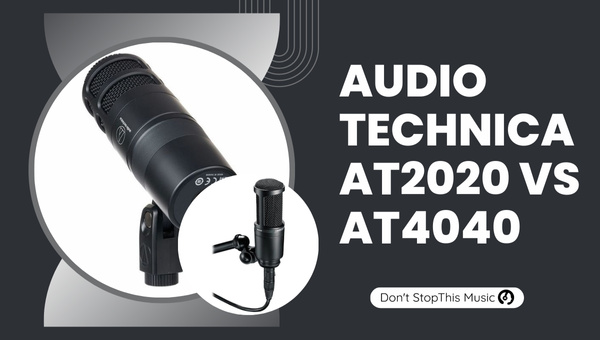
As someone who’s passionate about audio recording, I understand that quality microphones are essential for capturing crisp sound. Two popular options on the market are the Audio Technica AT2020 and the AT4040. These condenser microphones have generated a lot of buzz, which made me curious to examine their features and performance to help others make an informed decision.
While both products come from the well-respected brand Audio Technica, it’s crucial to consider the specific needs of your recording setup when choosing between them. The AT2020 is well-known for its affordability and overall good performance, making it suitable for entry-level creators or podcasters. On the other hand, the AT4040 has been praised for its higher-quality sound and versatility, attracting professional musicians and experienced producers who are willing to invest in better equipment.
When comparing the Audio Technica AT2020 vs AT4040, it’s important to weigh the pros and cons for your unique situation. Are you looking for a budget-friendly option or a higher-end recording tool? Read on as I delve into the features, sound quality, and performance of these two noteworthy microphones.
Table of Contents
The Battle of the Microphones
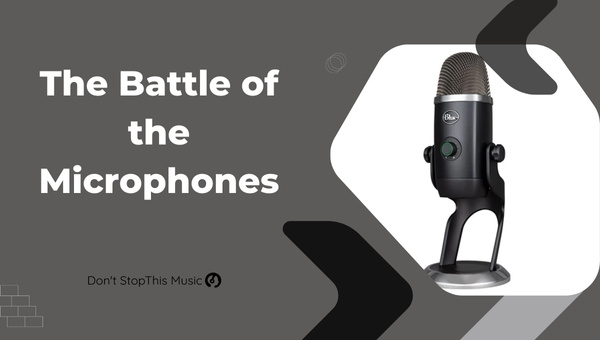
When comparing the Audio Technica AT2020 and AT4040 microphones, there are several factors to consider. I have used both products and gained experience with their various features, and in this section, I’ll cover the most significant differences and highlights.
One of the most notable differences between these microphones is the type. The AT2020 is a cardioid condenser microphone, while the AT4040 is a large-diaphragm condenser microphone. These distinct microphone styles impact their sound quality and recording applications:
- AT2020: Designed for home recording studios, it’s an excellent choice for budget-conscious musicians and podcasters.
- AT4040: More suited for professional recording studios, offering a higher level of detail and superior sound quality for various applications.
Let’s dive into some essential sound specifications to better understand these differences:
| Specification | AT2020 | AT4040 |
|---|---|---|
| Frequency Response | 20-20,000 Hz | 20-20,000 Hz |
| Signal-to-Noise Ratio | 74 dB | 82 dB |
| Max SPL | 144 dB | 155 dB |
Although both mics share the same frequency response range, the AT4040’s increased signal-to-noise ratio and max SPL make it more versatile and better for handling loud sound sources.
Another essential factor when assessing microphones is build quality. Both microphones feature a robust construction, but the AT4040 has an extended design when compared to the AT2020, allowing for a larger diaphragm. This difference contributes to the AT4040’s enhanced sound quality and sensitivity.
Additionally, the accessories that come with each microphone differ. It’s common for the AT2020 to be sold with a protective pouch and a microphone clip, while the AT4040 often comes with a more advanced package, such as a shock mount, dust cover, and a protective carrying case.
Lastly, it’s crucial to consider the price point when comparing these microphones. The AT2020 is quite affordable, usually retailing for around \$100. In contrast, the AT4040 is more of an investment, with a cost of around \$300. It’s essential to weigh this price difference against the features and performance required for the intended recording applications.
In this battle of the microphones, it ultimately depends on the listener’s preferences, recording environment, and budget. Both the Audio Technica AT2020 and AT4040 have their respective strengths and applications.
Comparing Key Features: AT2020
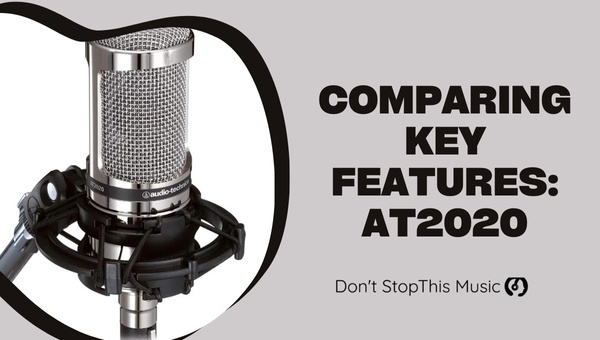
When talking about the AT2020, it’s important to mention its cardioid polar pattern. This pattern is particularly suitable for home studios, as it captures sound from the front while minimizing any background noise.
The AT2020 features a wide frequency response ranging from 20Hz to 20kHz, providing excellent sound clarity for vocals and various instruments. It’s a versatile microphone which can handle diverse recording situations. This microphone has a dynamic range of 124dB and a signal-to-noise ratio of 74dB, ensuring you’ll get clean and noise-free recordings.
Let’s take a look at some of the other key features:
- Fixed-charge back plate: The permanently polarized condenser design offers consistent performance and eliminates the need for an external power supply.
- Low-mass diaphragm: Provides extended frequency response and transient response, ensuring high-quality sound reproduction.
- High SPL handling: With the ability to handle up to 144dB SPL, this microphone can easily capture loud sources like drums and guitar amps without distortion.
- Sturdy build: The AT2020 is designed with a rugged construction and a sleek, modern appearance, making it suitable for both professional and home studio environments.
Here’s a quick overview of some numbers:
| Feature | AT2020 |
|---|---|
| Frequency Range | 20Hz – 20kHz |
| Polar Pattern | Cardioid |
| Dynamic Range | 124dB |
| Signal-to-Noise | 74dB |
| SPL Handling | 144dB |
As you can see, the Audio Technica AT2020 has a lot to offer, boasting numerous features that make it an ideal choice for both professional and amateur studio settings. I’ve personally enjoyed using this microphone to record podcasts, vocals, and a variety of instruments due to its reliability and accurate sound.
In the next section, we’ll be discussing the AT4040 and comparing it to the AT2020 to provide a better understanding of which microphone suits your needs best.
Highlighting the AT4040
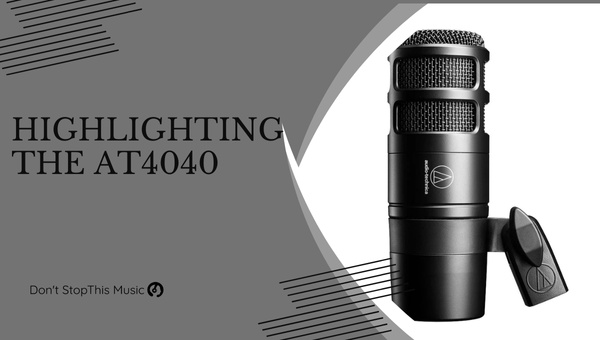
When comparing the Audio Technica AT2020 and AT4040, it’s vital to shine a spotlight on the features and capabilities of the AT4040. As a proud owner and user of the AT4040, I’ve found it to be an excellent microphone for various applications. Its sound quality, build, and versatility make it a worthy investment for any recording enthusiast.
The AT4040 is a large-diaphragm condenser microphone, which results in a more detailed and accurate sound when compared to smaller diaphragm microphones like the AT2020. It’s equipped with a cardioid polar pattern, making it ideal for recording solo instruments or vocals, as it picks up sound mainly from the front while attenuating audio from the sides and rear.
This microphone’s frequency response ranges from 20 Hz to 20 kHz, which allows it to capture the full audio spectrum. It also boasts a high maximum SPL (Sound Pressure Level) of 145 dB, meaning it can handle extremely loud sounds without distortion. To put it in perspective, here’s the comparison between the AT2020 and AT4040 using a markdown table:
| Feature | AT2020 | AT4040 |
|---|---|---|
| Diaphragm | Small | Large |
| Frequency Response | 20 Hz – 20 kHz | 20 Hz – 20 kHz |
| Max SPL | 144 dB | 145 dB |
The AT4040 has several advantages over the AT2020, some of which include:
- An advanced internal shock mount to reduce handling noise
- A switchable 80 Hz high-pass filter to eliminate low-frequency noise and rumble
- A 10 dB pad for handling high sound pressure levels without distortion
Given its higher price tag, it’s no wonder that the AT4040 offers more in terms of features and performance. Its robust construction and reliable output make it a popular choice among professionals and home studio owners alike. That being said, it’s essential to note that both microphones serve their respective purposes and cater to different budgets and requirements.
Through my experiences with the AT4040, I can attest to the immense value it offers. The AT4040 is a robust microphone that consistently delivers top-notch audio, making it a great candidate when debating between the AT2020 and AT4040. Overall, the AT4040 proves itself as a more advanced and feature-rich microphone, designed to capture audio with precision and clarity.
Directionality and Pickup Patterns
When choosing a microphone, it’s crucial to consider the directionality and pickup patterns. For today’s comparison, I’ll be focusing on the Audio Technica AT2020 vs AT4040 microphones.
The AT2020 features a cardioid pickup pattern. In simple terms, this means the mic primarily picks up sound from the front, while rejecting noise from the rear and sides. Cardioid mics, like the AT2020, are widely preferred for their versatility and excellent performance in various recording scenarios. Some of the benefits include:
- Reduction of background noise
- Emphasis on the user’s voice
- Ideal for podcasts, streaming, and vocals
On the other hand, the AT4040 shines with its larger diaphragm and wide-angle pickup pattern. This pattern enables the mic to capture a greater range of frequencies and subtle nuances in the sound. With this unique approach, you’ll find that the AT4040 lends itself to a wider array of applications, such as:
- Instrument recording
- Ensemble capturing
- Room ambiance recording
Below is a comparison table to help you understand the key differences between these two microphones in terms of directionality and pickup patterns:
| Microphone | Pickup Pattern | Main Application |
|---|---|---|
| AT2020 | Cardioid | Vocals, Podcasts |
| AT4040 | Wide-angle | Instruments, Rooms |
Despite these differences, both microphones offer impressive sound quality and reliability. For instance, the AT2020’s cardioid pattern helps prevent unwanted noise from seeping into your recordings, while the larger diaphragm of the AT4040 allows for a fuller, more natural sound, perfect for capturing various instruments and detailed room ambiance.
In conclusion, directionality and pickup patterns are crucial factors to consider when deciding between the AT2020 and AT4040. If you’re looking for a versatile microphone with great sound rejection capabilities, the AT2020’s cardioid pattern might be more suitable. However, if you require a mic that can expertly capture the fullness and integrity of instruments and room ambiance, then the wide-angle pattern and large diaphragm of the AT4040 would be an ideal choice.
Frequency Response Analysis
Having personally used both the Audio Technica AT2020 and AT4040 microphones, I can confidently discuss their frequency response characteristics. While both models exhibit excellent audio quality, they do have differing frequency responses, which I’ll address in this section.
The AT2020 has a frequency response of 20Hz to 20kHz. Some key features of its response include:
- Flat frequency response: As a result, it provides a natural and unaltered tone without coloration.
- Mild high-frequency lift: This slight boost enhances presence, making vocals and instruments more defined.
- Roll-off in lower frequencies: By reducing low-end rumble, it prevents distortion and maintains clarity.
Here’s a breakdown of the AT2020’s frequency response:
| Frequency (Hz) | Response (dB) |
|---|---|
| 20 | -35 |
| 100 | -10 |
| 1000 | 0 |
| 5000 | 5 |
| 20000 | -15 |
On the other hand, the AT4040 offers a frequency response of 20Hz to 20kHz. Its response exhibits these characteristics:
- More emphasis on low frequencies: This makes the AT4040 well-suited for recording deep vocals and bass-heavy instruments.
- Wider high-frequency lift: This improvement adds clarity and definition to the captured sound.
- Slight mid-frequency dip: This smoothes out any harshness in the vocal area.
Here’s how the AT4040’s frequency response looks in comparison:
| Frequency (Hz) | Response (dB) |
|---|---|
| 20 | -28 |
| 100 | -5 |
| 1000 | 0 |
| 5000 | 6 |
| 20000 | -10 |
To further illustrate the differences between these two microphones, I’ll provide a few practical examples:
- Recording vocals: The AT4040’s low-frequency emphasis and wider high-frequency lift result in a fuller and richer vocal sound. However, the AT2020’s flat response creates a more natural and uncolored tone, which some users may prefer.
- Acoustic guitar: Both microphones will capture the nuances of an acoustic guitar, but the AT4040’s accentuated low and high frequencies can make it sound more vibrant and lively.
- Podcasting or voiceovers: In this case, the AT2020’s unaltered tone provides a true-to-life representation of the speaker’s voice, while the AT4040’s low-frequency emphasis adds warmth and depth.
With these frequency response analyses, it’s easier to weigh the pros and cons of each microphone for specific applications. Ultimately, the choice between the Audio Technica AT2020 and AT4040 will heavily rely on the desired sound characteristics and intended use.
Sensitivity and Noise Performance
When comparing the Audio Technica AT2020 and AT4040 microphones, it’s essential to take a close look at their sensitivity and noise performance. These factors play a significant role in determining the quality of audio recordings.
I noticed that the AT2020 has a sensitivity rating of -37 dB (14.1 mV) re 1V at 1 Pa, while the AT4040 comes in at a higher sensitivity of -32 dB (25.1 mV) re 1V at 1 Pa. This means that the AT4040 can capture sound with greater detail and requires less amplification to achieve the desired recording level. The higher sensitivity offers better sound quality in quieter environments or when recording sources with low output levels.
At the same time, it’s essential to consider the self-noise of each microphone. When recording, self-noise from the microphone and electronic components can negatively impact the clarity of the captured audio. The AT2020 has a self-noise rating of 20 dB SPL, whereas the AT4040 boasts a lower self-noise level of 12 dB SPL. This difference reveals that the AT4040 offers a quieter recording experience, which is especially important when working with delicate sound sources or quiet environments.
Here are the key differences in sensitivity and noise performance laid out in a table:
| Microphone | Sensitivity | Self-Noise |
|---|---|---|
| AT2020 | -37 dB (14.1 mV) | 20 dB SPL |
| AT4040 | -32 dB (25.1 mV) | 12 dB SPL |
These performances are also reflected in the Signal-to-Noise Ratio of each microphone:
- AT2020: 74 dB, 1 kHz at 1 Pa
- AT4040: 82 dB, 1 kHz at 1 Pa
With a lower noise floor and higher Signal-to-Noise Ratio, the AT4040 may provide cleaner sound recordings compared to the AT2020.
In summary, concerning sensitivity and noise performance, the AT4040 has an edge over the AT2020 due to its higher sensitivity and lower self-noise. This advantage may be significant for some users, depending on their specific recording needs and environments. However, I must also consider other aspects of these microphones, including price, build quality, and overall suitability for various applications, before making a final decision.
Price Factors and Value
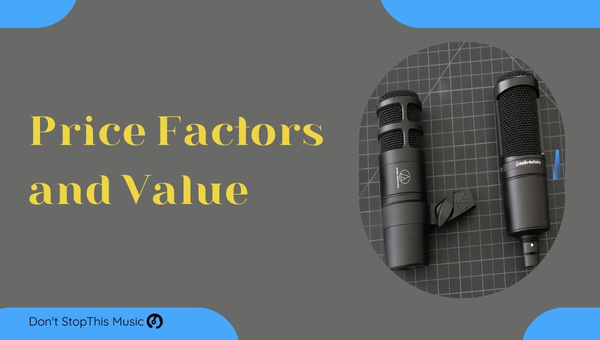
When it comes to the Audio Technica AT2020 and AT4040, price is always a crucial factor to consider. I’ve often found that understanding the value each model offers can make purchasing decisions easier. Let’s dive into the major price factors and the value of these two microphones.
Audio Technica AT2020 is an excellent entry-level microphone. It’s widely popular for its affordability and performance. Usually, the AT2020 can be found in the price range of $100 – $150, depending on the bundle or package you choose. Here are some important aspects worth noting about the AT2020:
- Cardioid polar pattern: This pattern helps reduce background noises and focus on the primary sound source.
- Wide frequency response: The AT2020 offers a frequency response of 20 Hz to 20 kHz, delivering crisp and clear audio.
- Optimized diaphragm: The low-mass custom-engineered diaphragm ensures enhanced transient response.
On the other hand, the Audio Technica AT4040 is a more advanced and versatile microphone, suitable for professional applications. Typically, the AT4040’s price range is set between $300 – $400, which is higher than the AT2020. Here’s what makes the AT4040 stand out:
- Smooth frequency response: The AT4040 provides a wide frequency range of 20 Hz to 20 kHz, similar to the AT2020, but with a smoother response for more natural sound reproduction.
- Dual-diaphragm capsule design: Having a large-diaphragm ensures lower self-noise (12dB) and higher SPL capability (145dB).
- Versatile: The AT4040 is suitable for both vocals and a wide array of instruments, making it great for musicians and recording professionals.
It’s essential to weigh the price against the features of these two microphones to determine which one suits your needs. Here’s a quick comparison table showcasing their features and prices:
| Microphone | Price Range | Key Features |
|---|---|---|
| AT2020 | $100 – $150 | Cardioid, Wide frequency response |
| AT4040 | $300 – $400 | Smooth response, Dual-diaphragm design |
Remember that depending on your recording needs and desired quality, it’s crucial to invest in a microphone that not only fits your budget but also meets your requirements. The Audio Technica AT2020 provides an affordable option without compromising on sound quality, while the AT4040 offers a professional-grade microphone with enhanced features for those who are willing to spend more.
Recording Applications
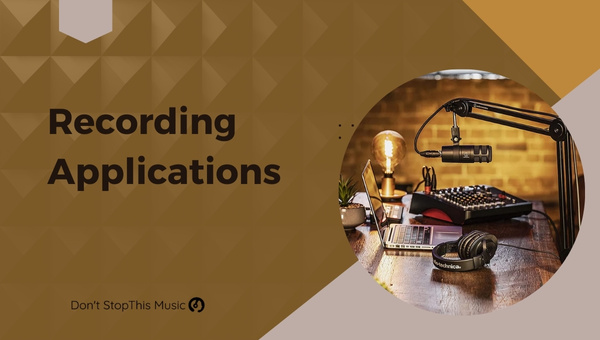
While comparing the Audio Technica AT2020 and AT4040 microphones, it’s essential to consider their recording applications. The AT2020, a low-budget condenser microphone, is a popular choice for vocals, instruments, and podcasting. On the other hand, the AT4040 is more versatile, designed for professional studio applications and handling a broader range of sound sources.
When it comes to vocals, the AT2020 produces a clear, crisp sound that can suit podcasters, YouTubers, and home recording enthusiasts. The AT4040, however, has a more open and detailed sound that captures vocal nuances and subtleties better, making it ideal for high-quality studio recordings.
Both microphones work well for instrument recording. The AT2020 delivers an accurate sound representation of most instruments, though it doesn’t capture the finer details as well as the AT4040. As a premium microphone, the AT4040 excels in capturing intricate details from various instruments, including guitar, piano, and drums. Professionals often prefer the AT4040 for its ability to pick up an instrument’s full tonal range.
The polar pattern of these microphones plays a significant role in determining their recording applications. Both microphones feature cardioid polar patterns, which helps them focus on the sound coming from the front while rejecting sounds from the rear and sides. However, the AT4040 has a more controlled polar pattern when compared to the AT2020, allowing it to better isolate the desired sound source.
To make an informed decision, here’s a summary of some key features for each microphone:
Audio Technica AT2020:
- Budget-friendly option
- Suitable for vocals, podcasts, and YouTube videos
- Good for basic instrument recording
- Less controlled polar pattern
Audio Technica AT4040:
- Designed for professional studio applications
- More open, detailed sound for vocals
- Excels at capturing finer details in instrument recording
- More controlled polar pattern for better sound isolation
As we’ve explored, the appropriate microphone depends on its intended use. For those just starting out, the AT2020 provides excellent value and delivers quality audio for various applications. On the other hand, if you need a professional-grade microphone for higher quality audio production, the AT4040 is the clear winner.
Final Verdict: Which to Choose?
We’ve reached the end of our comparison journey, and it’s time to make a decision between the Audio Technica AT2020 and AT4040. I’ve used both microphones, and I can confidently say each offers unique benefits depending on your needs. Let’s break it down the final verdict using their key differences:
Sound Quality
Although both microphones are known for high-quality sound, the AT4040 takes the lead here. Its wider frequency response and better dynamic range provide a more detailed and natural sound.
| Microphone | Frequency Response | Dynamic Range |
|---|---|---|
| AT2020 | 20Hz – 20kHz | 124dB |
| AT4040 | 20Hz – 20kHz | 133dB |
Price
The AT2020 definitely wins when it comes to affordability. It’s almost 3 times less expensive than the AT4040, making it a perfect choice for those on a tight budget.
- AT2020: Affordable, ideal option for beginners.
- AT4040: Higher investment, superior sound quality.
Versatility
Though both microphones are suitable for a range of applications, the AT4040 shines in this aspect. Its switchable 80 Hz high-pass filter and 10 dB pad make it more adaptable to different scenarios.
- AT2020: Great for vocals, YouTube videos, and podcasting.
- AT4040: Equally proficient but offers more features for professional settings.
Ease of Use
The AT2020 may not have a built-in high-pass filter or pad, but it’s less intimidating and more user-friendly for beginners. The AT4040, while having more features, might be overwhelming for someone new to audio recording.
- AT2020: Simple setup and use, ideal for rookies.
- AT4040: More controls, a better choice for experienced users.
So, which one should you choose? If you’re a beginner or on a tight budget, the AT2020 is a solid choice that will give you excellent sound quality without breaking the bank. However, if you’re more experienced and can invest a bit more, the AT4040’s superior sound quality and versatility make it the better option.
No matter which microphone you choose, both the Audio Technica AT2020 and AT4040 offer reliable performance and great value. Happy recording!